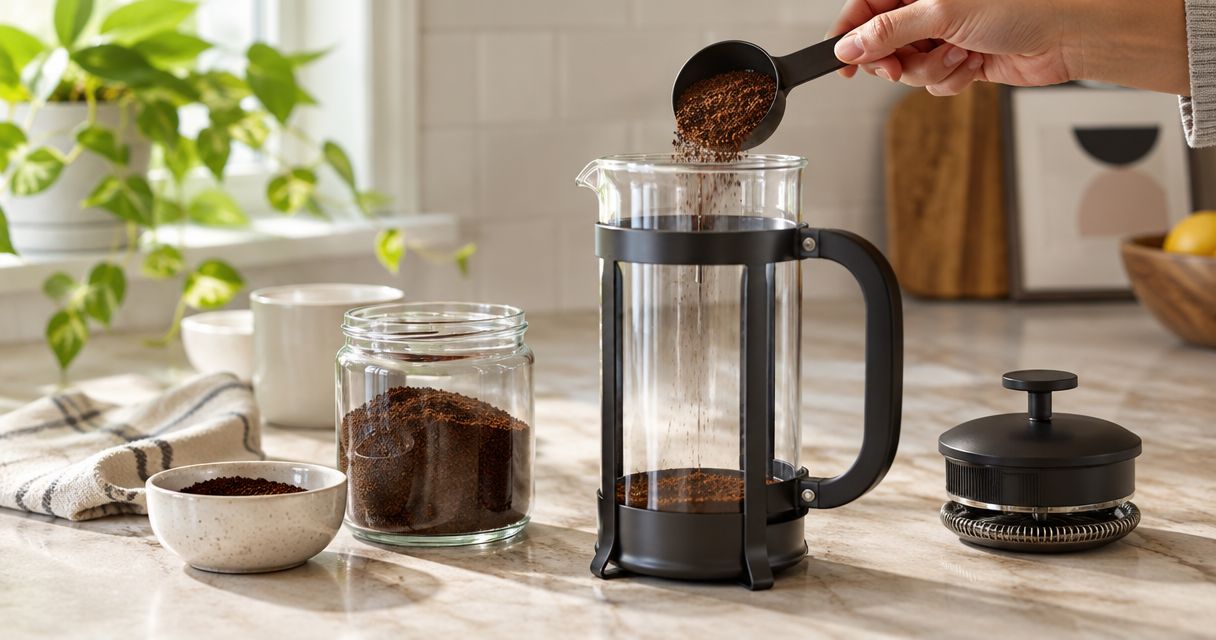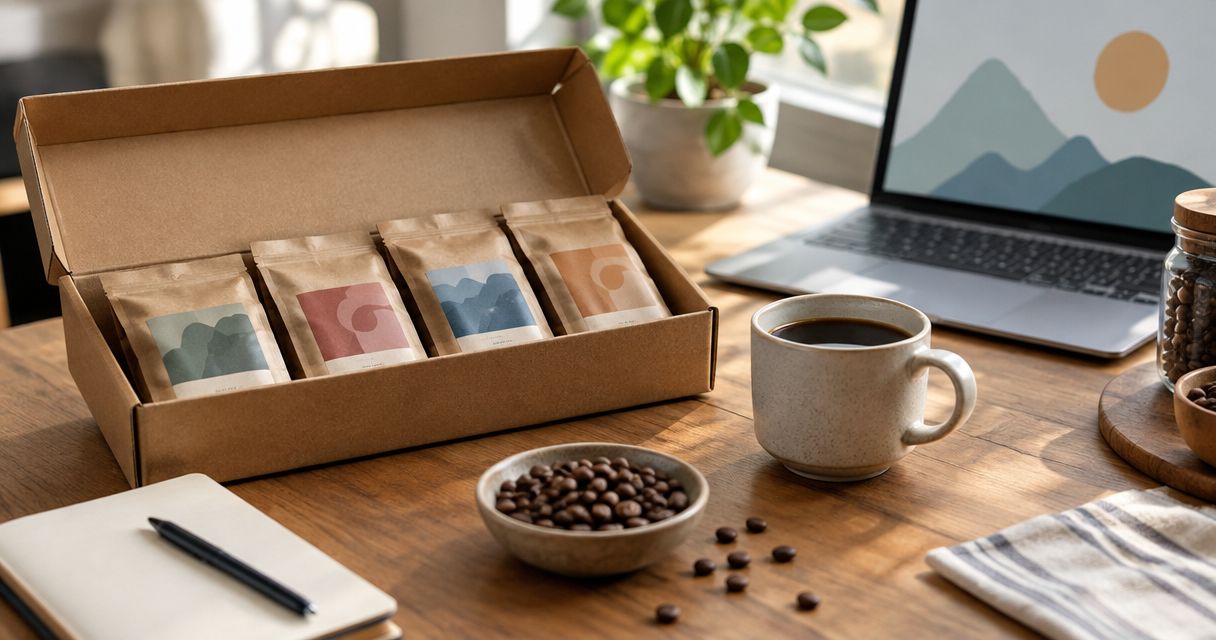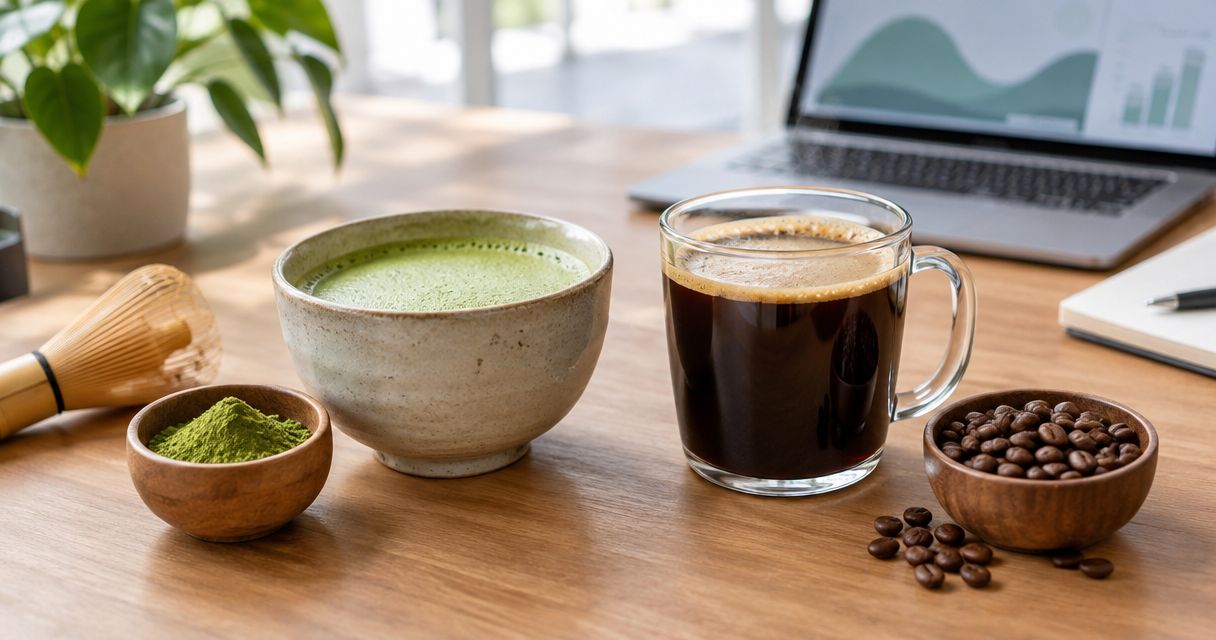

Low acid coffee is not reliably easier on your stomach: some people tolerate it better, but lower acidity does not guarantee less heartburn, nausea, or digestive discomfort. Caffeine, serving size, added ingredients, and your underlying condition still matter, so a low acid label is not a treatment for reflux.
- Is low acid coffee easier on your stomach? Not always; acidity alone does not determine digestive comfort.
- Decaf addresses caffeine exposure, while low acid coffee addresses a different characteristic.
- Cold brew is not automatically low caffeine or reflux-friendly.
- God's Country Coffee Co. sells coffee and tea; its product descriptions do not establish clinical benefits.
Is low acid coffee easier on your stomach?
Low acid coffee is an option to evaluate, not a guarantee of stomach comfort. Heartburn, upper-abdominal pain, nausea, and an urgent bowel movement are different symptoms. A change that helps one does not establish a solution for another.
Before choosing from a low acid coffee buying guide, separate what the coffee measures from what you feel after drinking it. A smooth flavor describes taste; it does not demonstrate that a coffee prevents symptoms.
| Option | Best for | Useful distinction | Limitation |
|---|---|---|---|
| Low acid coffee | Comparing a coffee with documented acidity information | Focuses on acidity rather than caffeine | Does not guarantee relief from reflux or stomach pain |
| Decaf coffee | Reducing caffeine while keeping coffee in your routine | Changes caffeine exposure | Still contains some caffeine and other coffee compounds |
| Cold brew | Drinkers who prefer cold-extracted coffee | Changes the brewing method and flavor | Concentration and caffeine depend on the recipe |
| Caffeine-free herbal infusion | Taking a break from coffee and caffeine | Removes coffee from the comparison | Ingredients still need checking for personal triggers |
This 2026 guide separates those options because they answer different questions. Choose the change that matches the suspected trigger, rather than treating every digestive symptom as an acidity problem.
Why this matters
Buying a different bag changes little if your actual trigger is a large serving, caffeine, or an ingredient you add afterward. Changing the beans, brewing method, sweetener, and serving size together also makes it difficult to identify what helped.
The National Institute of Diabetes and Digestive and Kidney Diseases lists coffee and other caffeine sources among commonly reported reflux triggers. Its guidance emphasizes avoiding foods and drinks that worsen your own symptoms, rather than assuming everyone needs the same restrictions.
That distinction matters when you shop in 2026. A label can describe a product characteristic without proving a health outcome, and a pleasant cup can still disagree with you.
Acidity in the cup is not the same as acid reflux
Coffee acidity, stomach acid, and reflux are related topics, but they are not interchangeable. Reflux involves stomach contents moving back into the esophagus; reducing the acidity of a drink does not, by itself, establish that this movement will stop.
On the pH scale, pH 7 is neutral. A difference of 1 pH unit represents a 10-fold difference in hydrogen ion activity. Those are chemical measurements, not a scale predicting how much heartburn you will experience.
There is another distinction: pH and total titratable acidity measure different properties. Even a genuine acidity measurement needs context, including the brewing method, concentration, and comparison coffee.
What evidence makes a low acid claim useful?
Look for a stated measurement method and a clear comparison. A result for brewed coffee is more relevant to your cup than an unexplained statement about the beans.
Useful product information answers these questions:
- Does the claim refer to pH, titratable acidity, or taste?
- Was the brewed drink measured, and under what preparation conditions?
- What coffee or preparation was used for comparison?
- Does the claim describe chemistry, or does it promise symptom relief?
For 2026 purchases, do not interpret an acidity claim as clinical evidence. Showing that a beverage has different chemistry is not the same as showing that people with reflux tolerate it better.
Why stomach comfort varies
Several factors affect what happens after you drink coffee. These are reasons to make a controlled comparison, not a checklist for diagnosing yourself.
- Caffeine exposure: Low acid does not mean decaffeinated. If caffeine is the factor you want to change, choose an approach that actually reduces caffeine.
- Serving size and concentration: A larger or more concentrated drink changes your exposure to caffeine and coffee compounds. Keep both consistent when comparing beans.
- Added ingredients: Milk can cause digestive symptoms in people with lactose intolerance, and some sweeteners can cause digestive upset. The coffee is not always the only variable.
- Timing and position: Lying down after eating or drinking can matter for reflux. A new coffee does not remove the effect of your surrounding routine.
- The symptom and underlying condition: Heartburn, persistent abdominal pain, and bowel urgency need different consideration. A coffee label cannot identify the cause.
Record the symptom you actually want to change. Writing down heartburn is more useful than writing down that a drink felt unhealthy, because it gives you something specific to compare and discuss with a clinician.
Is decaf better than low acid coffee for a sensitive stomach?
Decaf is the more direct choice when your goal is to reduce caffeine. Low acid coffee does not answer that question unless it is also decaffeinated.
The advantage of decaf is a clearer change in caffeine exposure while retaining coffee in your routine. The limitation is that decaf is not caffeine-free and does not remove every coffee compound associated with digestive responses.
Do not interpret continued symptoms with decaf as proof that acidity is responsible. The serving, additions, timing, or coffee itself still need consideration. If you need a strict caffeine limit for a medical reason, follow your clinician's advice rather than relying on a category name.
Is cold brew easier on your stomach than hot coffee?
Cold brew is not a dependable shortcut to a symptom-free cup. Some cold-brew preparations have lower titratable acidity than comparable hot-brew preparations, but brewing conditions affect the result, and lower measured acidity does not establish better tolerance.
Its practical advantage is a different extraction method and flavor profile. Its limitation is concentration: a concentrate and a ready-to-drink beverage are not equivalent servings.
For a useful comparison, follow the preparation instructions and account for dilution. Do not compare a small diluted cold brew with a large strong hot coffee and credit the entire difference to acidity. You changed more than the brewing temperature.
Does dark roast mean low acid coffee?
Dark roast does not establish a clinically gentler coffee. Roasting changes coffee chemistry and flavor, but a roast label is not an acidity test or evidence of symptom relief.
A darker roast suits drinkers who prefer its flavor. It is a poor shortcut for deciding whether a drink fits a medical need, because the label does not tell you how you will respond.
The same caution applies to origin descriptions and tasting notes. Chocolate, caramel, citrus, and smooth describe a sensory profile; they do not provide a medical assessment. Choose roast and origin for flavor, then assess tolerance separately.
How do you compare coffee without confusing the result?
Use a simple routine that changes one meaningful variable at a time. This is a way to organize your observations, not a diagnostic test or a reason to keep drinking something that causes pain.
- Name the symptom. Record whether you notice burning, nausea, abdominal discomfort, or bowel urgency, and when it happens.
- Keep preparation consistent. Use the same cup, serving amount, brewing approach, and additions when comparing similar coffees.
- Change one variable. Compare regular with decaf to examine caffeine exposure, or compare coffees with documented acidity information to examine that distinction.
- Record the result. Note the drink, food, timing, and symptoms without assuming the most recent change explains everything.
- Stop if symptoms worsen. Do not keep challenging yourself with a drink that causes significant discomfort. Seek medical advice for persistent or concerning symptoms.
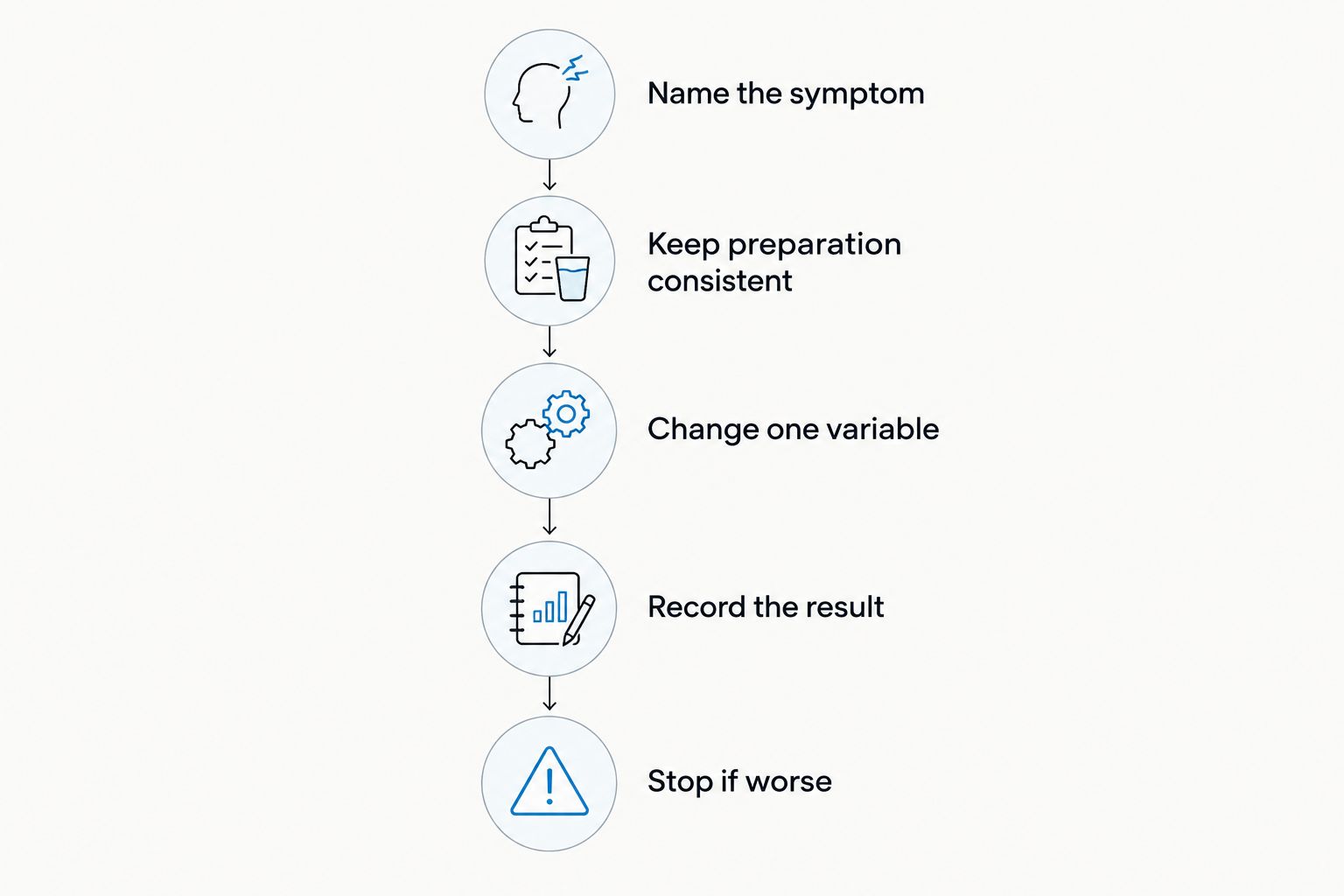
Treat your notes as information to discuss, not proof of a diagnosis. A symptom-free cup on one occasion does not guarantee the same result under different circumstances.
Which coffee or tea option fits the change you want to make?
God's Country Coffee Co. is best for home drinkers choosing coffee and tea by flavor, not treating reflux. The relevant distinction here is between reducing caffeine and moving away from coffee altogether.
The retailer's Peru Decaf has a medium roast and a listed caramel, smooth, citrus tasting profile. Apple Cider Rooibos is described as spicy, sweet, and naturally caffeine free. Neither description establishes a low acid measurement or a digestive benefit.
| Product | Best for | Reason to consider it | Limitation |
|---|---|---|---|
| Peru Decaf | Coffee drinkers reducing caffeine | Retains a coffee option with a stated medium roast | Decaf is not caffeine-free; no acidity measurement is provided |
| Apple Cider Rooibos | Drinkers taking a coffee-and-caffeine break | Described as a naturally caffeine-free herbal blend | A different beverage, not evidence of reflux relief |
Use those descriptions to choose the kind of change you want, not to predict a health result. The following options represent different routines rather than competing treatments.


When should you stop experimenting with coffee?
Persistent or worsening digestive symptoms deserve medical assessment, not repeated product substitutions. Difficulty swallowing, unexplained weight loss, recurrent vomiting, or signs of digestive bleeding require prompt medical attention.
Chest pain needs urgent assessment, particularly with breathlessness, sweating, or pain spreading to the arm or jaw. Do not assume it is coffee-related heartburn.
For everyday purchasing decisions in 2026, keep the boundary clear: a retailer helps you choose a beverage; a clinician assesses ongoing symptoms. Do not change prescribed reflux treatment because a coffee carries a low acid claim.
FAQ
Is low acid coffee easier on your stomach if you have acid reflux?
Low acid coffee does not reliably prevent acid reflux symptoms. Individual tolerance, caffeine exposure, serving size, and timing still matter; use your own symptom pattern and clinical advice rather than the label alone.
Does low acid coffee have less caffeine?
Low acid coffee does not necessarily have less caffeine. Acidity and caffeine are different characteristics, so look for decaffeination information when reducing caffeine is your goal.
Is decaf coffee completely caffeine-free?
Decaf coffee is not completely caffeine-free. It reduces caffeine exposure but does not remove every coffee compound or guarantee freedom from digestive symptoms.
Does smooth coffee mean it is low acid?
Smooth coffee does not establish low measured acidity. Smooth is a tasting description, whereas an acidity claim needs a stated measurement and preparation method.
Can milk make coffee upset my stomach?
Milk can contribute to digestive symptoms if you have lactose intolerance. Keep additions consistent when comparing coffees so you do not mistake a reaction to milk for a reaction to the beans.
Is herbal tea always better for reflux than coffee?
Herbal tea is not automatically better for reflux. Ingredients and personal triggers matter, and herbal blends are not interchangeable; check the ingredients rather than assuming every blend suits you.
Does God's Country Coffee Co. offer a proven stomach-friendly coffee?
The supplied God's Country Coffee Co. product descriptions do not establish a proven stomach-friendly coffee. Roast levels, tasting notes, and decaf descriptions do not substitute for acidity measurements or clinical evidence.
One last thing
A less sour taste is not proof of a gentler drink. Before replacing your usual coffee, decide whether you are trying to change caffeine, acidity, serving size, or coffee consumption itself.
That decision makes your next purchase more useful. If your symptoms persist, stop searching for a better label and bring your symptom notes to a healthcare professional.