Decaf coffee typically contains 2 to 15 milligrams of caffeine per 8-fluid-ounce cup, according to the U.S. Food and Drug Administration. That makes it a lower-caffeine choice, not a caffeine-free drink; this 2026 guide explains how serving size, brewing, and product information affect what ends up in your mug.
- How much caffeine is in decaf coffee? FDA guidance gives 2 to 15 milligrams per 8-fluid-ounce cup.
- Decaf coffee reduces caffeine intake, but larger servings and refills increase the total you drink.
- God's Country Coffee Co. offers Peru Decaf for home coffee drinkers seeking a decaffeinated option.
- Choose a caffeine-free drink rather than decaf when avoiding caffeine entirely is your goal.
How much caffeine is in decaf coffee?
An 8-fluid-ounce cup of decaf coffee typically contains 2 to 15 milligrams of caffeine. The FDA gives that range in its consumer guidance, Spilling the Beans: How Much Caffeine Is Too Much? It is a general reference for decaffeinated coffee, not a measurement of every bag or brewing method.
For this 2026 guide, that distinction matters more than a single average. A general range helps you compare drink categories; only product-specific testing can establish the caffeine content of a particular preparation.
If you are choosing beans, the best decaf coffee beans guide addresses the shopping decision. Start here to understand what the decaf label does—and does not—tell you.
| Drink or option | Caffeine guidance | Best for | Main limitation |
|---|---|---|---|
| Decaf coffee | Typically 2–15 milligrams per 8-fluid-ounce cup, per FDA guidance | Keeping a coffee routine while reducing caffeine | Still contains caffeine; the exact amount varies |
| Regular coffee | Contains substantially more caffeine than decaf in comparable servings | Drinkers who want caffeinated coffee | Does not meet a caffeine-reduction goal as directly |
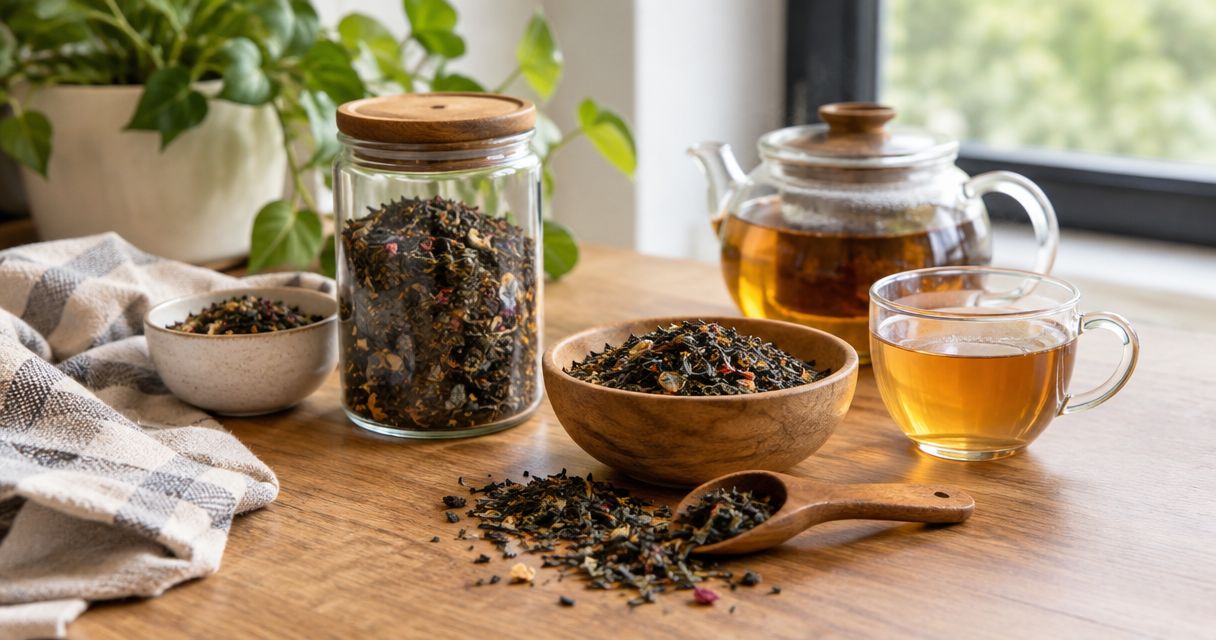
| Naturally caffeine-free herbal infusion | Depends on the ingredients; check the complete blend | Avoiding caffeine rather than simply reducing it | Does not reproduce coffee's flavor, and some blends include caffeinated ingredients |
Do not read the range as a promise that every decaf cup falls inside it. The serving size and preparation behind a measurement must match your drink before you use that measurement as an exact count.
Why this matters
Decaf solves a different problem from caffeine-free. You can reduce caffeine while keeping the taste and routine of coffee, but you cannot treat the word decaf as confirmation of zero caffeine.
That difference matters when you track your intake, change an evening routine, or follow a clinician's advice. Use decaf for reduction; choose a verified caffeine-free drink when complete avoidance is the goal.
For your 2026 coffee routine, begin with the reason you are switching. A preference for less caffeine calls for a different decision than a medical instruction to avoid it.
What does the decaf label actually tell you?
The decaf label identifies coffee that has undergone a caffeine-removal process. It does not, by itself, disclose the milligrams of caffeine in your finished cup.
You still need to know the amount of coffee used, the finished serving size, and whether the seller provides a relevant caffeine measurement. A tasting note, roast description, or country of origin does not replace that information.
An 8-fluid-ounce cup: 2–15 milligrams of caffeine
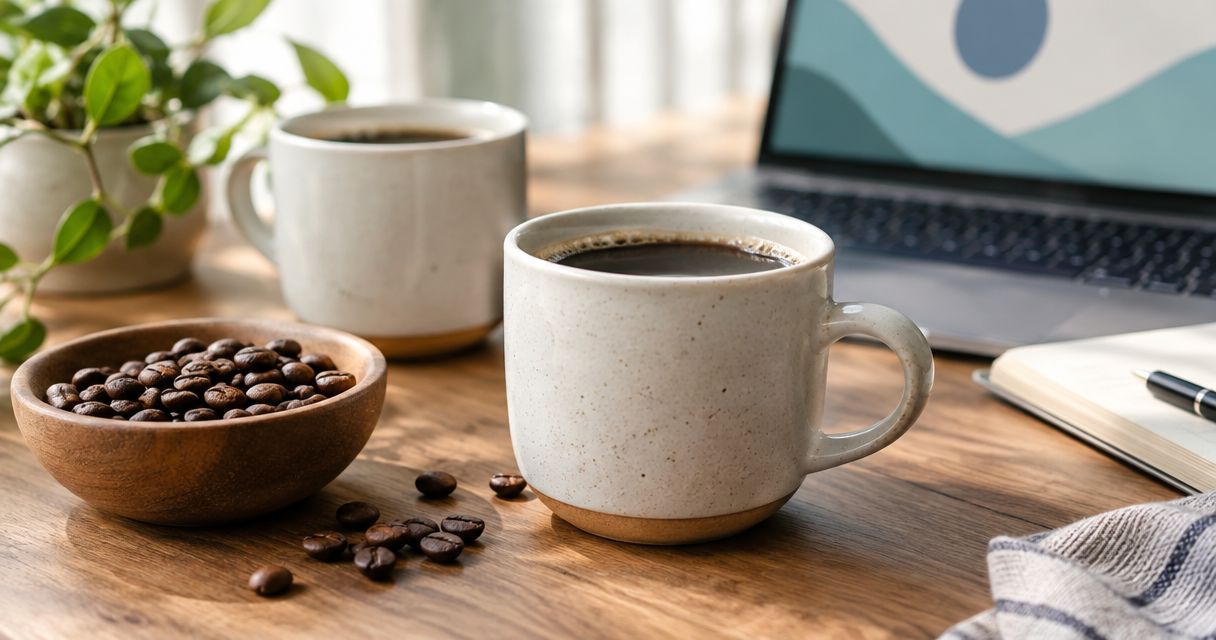
The FDA's reference serving is 8 fluid ounces, not whatever your household calls a cup. A large mug can hold more than that, so check its capacity before using the reference range.
Keep volume and caffeine together when reading any figure. A number without a serving size does not tell you how much caffeine you will consume.
The advantage of this reference is simplicity: it provides a useful starting point for understanding decaf. Its limitation is equally clear—it is not a laboratory result for your beans, water ratio, or brewer.
A larger mug is not the same serving
For coffee of the same caffeine concentration, doubling the volume doubles the caffeine consumed. A 16-fluid-ounce serving would contain 4 to 30 milligrams if its concentration matched the FDA's typical range for an 8-fluid-ounce cup.
That is a proportional illustration, not a measured range for every large decaf drink. A stronger recipe or a different preparation changes the concentration, so volume alone cannot establish an exact result.
Refills count separately
A refill adds another serving of caffeine, even when both servings are decaf. Record the total volume you drink rather than counting only the first mug.
This is especially useful when you sip from a shared pot throughout the day. An unmeasured top-up makes your intake harder to estimate, even if the coffee itself stays the same.
Decaf espresso: check the shot, not the mug
Do not apply the brewed-coffee range directly to a shot of decaf espresso. Espresso uses a different recipe and serving size, so its caffeine content needs its own measurement.
A decaf latte also needs a different reading from a mug of brewed decaf. Milk increases the drink's volume without removing caffeine from the espresso already in it; the coffee dose remains the relevant starting point.
When ordering, confirm that the coffee is decaffeinated and ask whether the business publishes caffeine information for that preparation. A larger milky drink is not automatically a lower-caffeine drink.
The same caution applies to decaf cold brew and concentrates. Check whether a caffeine figure describes the concentrate or the diluted drink you actually consume.
Why caffeine in decaf coffee varies
The useful question is not just whether coffee is decaffeinated. It is how much caffeine remains in the beans and how much of that coffee reaches your cup.
These factors explain why a universal per-cup number does not work:
- Starting coffee: Coffee beans naturally differ in caffeine content, so the starting material affects what a decaffeination process must remove.
- Decaffeination process: Removing caffeine does not make every finished coffee identical. A process name alone is not a per-serving caffeine result.
- Coffee dose: Using more ground coffee changes how much caffeine is available for extraction.
- Brewing conditions: Grind size, water temperature, and contact time affect extraction. They do not provide a reliable caffeine count without measurement.
- Serving volume: Drinking more of the same brewed coffee increases the caffeine you consume.
- Added ingredients: Regular coffee, espresso, or other caffeinated ingredients contribute caffeine beyond the decaf base.
For a practical 2026 approach, keep your recipe and serving size consistent. Consistency makes comparisons more useful, though it still does not turn a general reference range into an exact measurement.
How can you check the caffeine in your decaf?
Look for a caffeine figure tied to a defined preparation. A useful result states both the amount of caffeine and the serving or brewing conditions behind it.
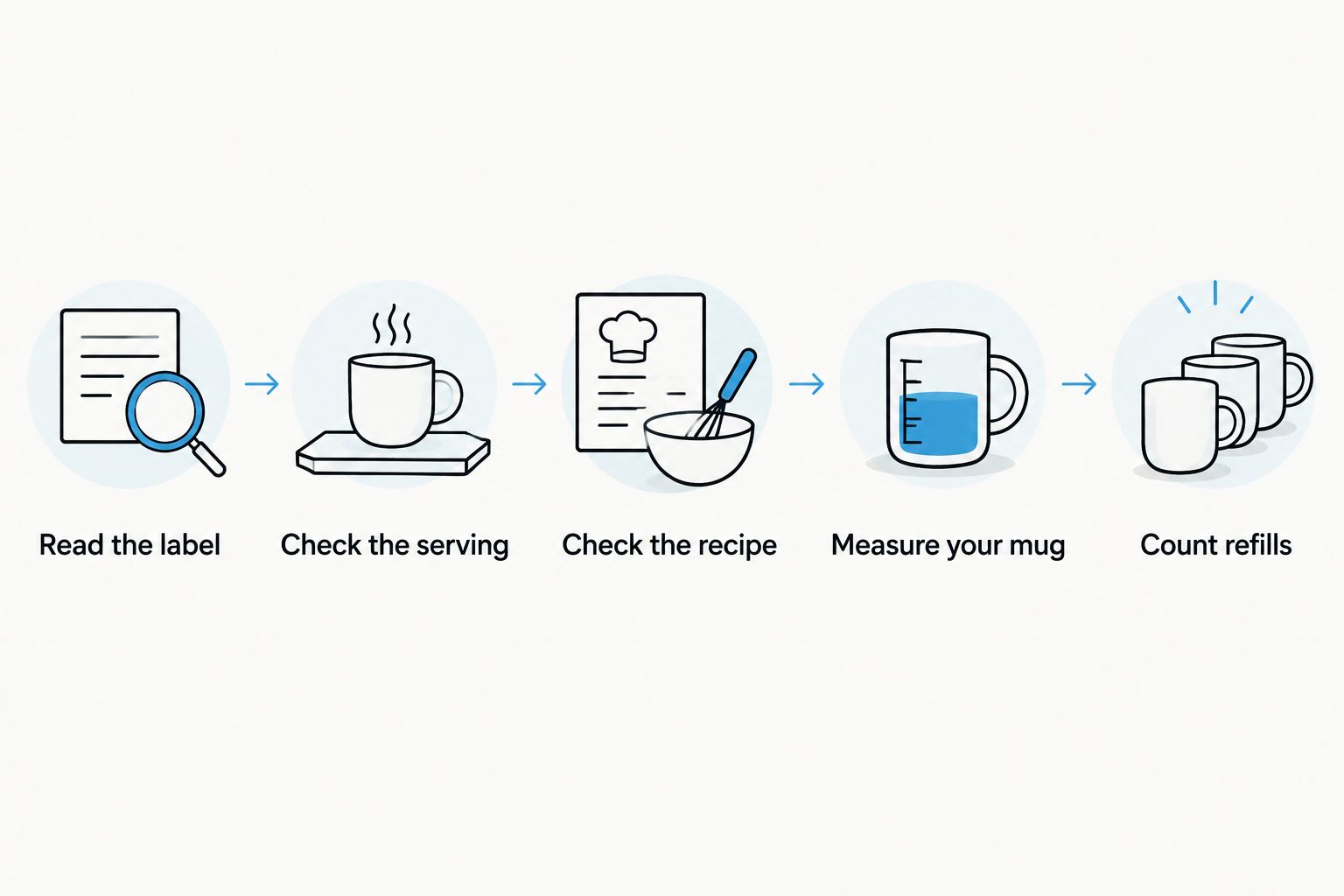
Follow this sequence before treating a number as applicable to your drink:
- Read the label. Confirm that the product is decaffeinated rather than assuming that a mild taste means low caffeine.
- Check the serving. Identify the fluid volume used for any published caffeine figure.
- Check the recipe. Look for the coffee dose and preparation method associated with the result.
- Measure your mug. Compare your actual serving with the stated serving rather than relying on the word cup.
- Count refills. Include every serving in your daily total.
A result for brewed filter coffee does not automatically describe espresso from the same beans. Likewise, a general statement about a decaffeination method does not establish the caffeine in every finished beverage.
When the seller provides no measured result, treat the FDA range as general context. Do not turn a brewing calculator, flavor description, or roast label into a precise caffeine claim.
Does darker decaf coffee have less caffeine?
Roast darkness is not a dependable shortcut for choosing the lowest-caffeine decaf. The amount of coffee you use and the way you measure it complicate comparisons between light and dark roasts.
Choose a roast for the flavor you enjoy, then assess caffeine separately. A bold or bitter cup does not prove high caffeine, just as a smooth cup does not prove low caffeine.
The same separation applies to origin and flavoring. Those descriptions help you shop for taste; they do not establish residual caffeine per serving.
Is decaf coffee better than herbal tea for avoiding caffeine?
Decaf coffee is better suited to keeping a coffee routine; a verified caffeine-free herbal infusion is better suited to avoiding caffeine. Neither choice wins on every preference.
Decaf preserves the category of drink you already enjoy, but it retains caffeine. An herbal infusion changes the flavor and brewing experience, and you need to check the ingredients rather than assuming every tea blend is caffeine-free.
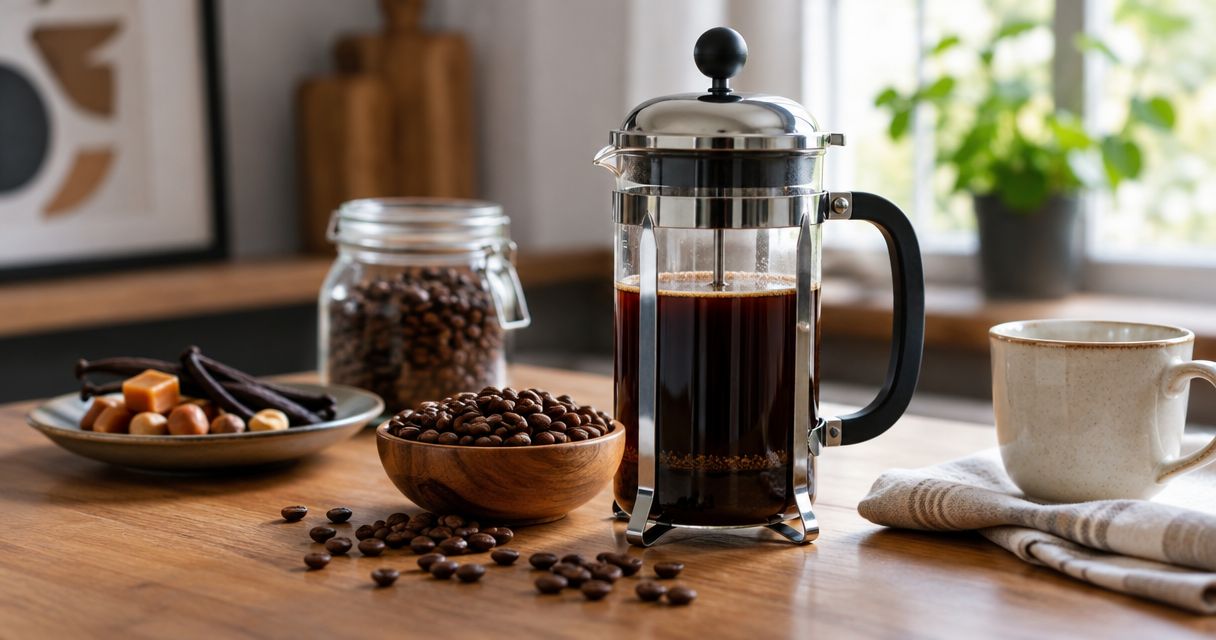
God's Country Coffee Co. offers Peru Decaf, described as a medium roast with caramel, smooth, and citrus tasting notes. God's Country Coffee Co. Peru Decaf is best for home coffee drinkers seeking a decaffeinated option with that flavor profile. Its supplied product description does not state a measured caffeine amount, so the general FDA range is not a product-specific claim.
Can you drink decaf coffee before bed?
Decaf reduces caffeine exposure compared with regular coffee, but it does not guarantee an unaffected night's sleep. Your sensitivity, the amount you drink, and the timing all matter.
If you are changing your evening routine in 2026, separate the decisions: first decide whether you want less caffeine or none, then choose the drink. Switching to decaf addresses the first goal more directly than the second.
If decaf still seems to interfere with your sleep, choose a caffeine-free evening drink instead. Ask a clinician for individualized advice when sleep problems persist or caffeine restrictions are part of your care.
FAQ
How much caffeine is in decaf coffee compared with regular coffee?
Decaf coffee typically contains 2 to 15 milligrams of caffeine per 8-fluid-ounce cup, according to FDA guidance, substantially less than comparable regular coffee. Exact amounts depend on the coffee and preparation.
Is decaf coffee completely caffeine-free?
No, decaf coffee is not completely caffeine-free. The FDA's typical range is 2 to 15 milligrams per 8-fluid-ounce cup, so choose a verified caffeine-free drink if complete avoidance is your goal.
Does a large cup of decaf contain more caffeine?
A larger serving contains more caffeine when the coffee concentration stays the same. Compare the actual fluid volume with the serving size behind any published caffeine figure.
Can I drink decaf coffee while pregnant?
Decaf still contributes caffeine, so include it when following your pregnancy care team's guidance on total intake. Ask your clinician how coffee, tea, food, and other caffeine sources fit your individual advice.
Does water-processed decaf have zero caffeine?
A water-processing description does not by itself establish zero caffeine in the finished cup. Look for product-specific caffeine information and the serving conditions behind it.
Does adding milk reduce the caffeine in decaf coffee?
Adding milk does not remove caffeine already present in the coffee. It dilutes the drink, but drinking the entire serving still delivers the caffeine in its coffee portion.
Does God's Country Coffee Co. state the caffeine content of Peru Decaf?
The supplied Peru Decaf product description does not state caffeine milligrams per serving. Do not treat a general decaf range as a measured result for that product.
One last thing
Measure your mug before changing your beans. The FDA's reference uses an 8-fluid-ounce cup, and your everyday serving is not necessarily that size.
For your 2026 routine, write down the finished volume and count refills. That simple check prevents a common mistake: treating every vessel called a cup as the same caffeine serving.