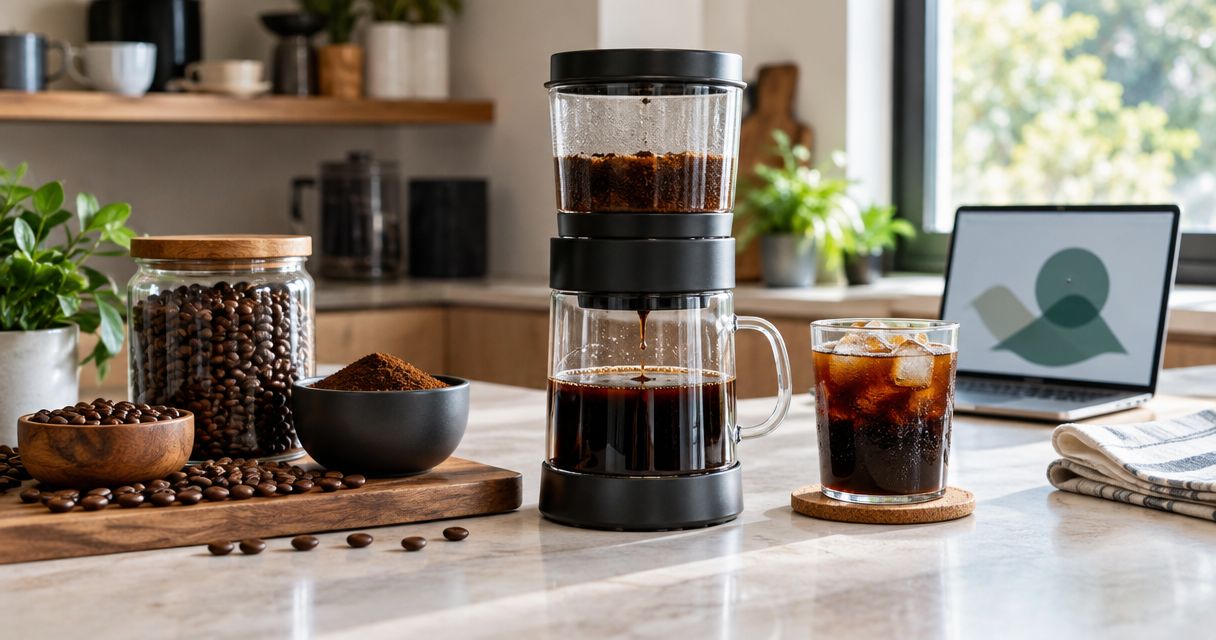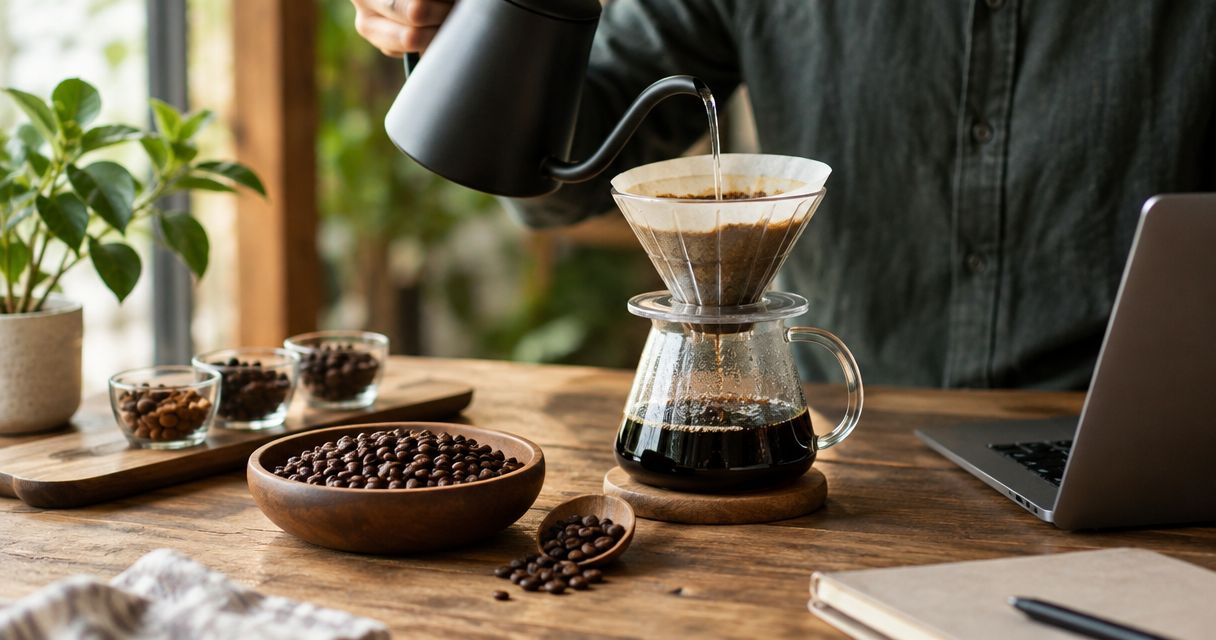
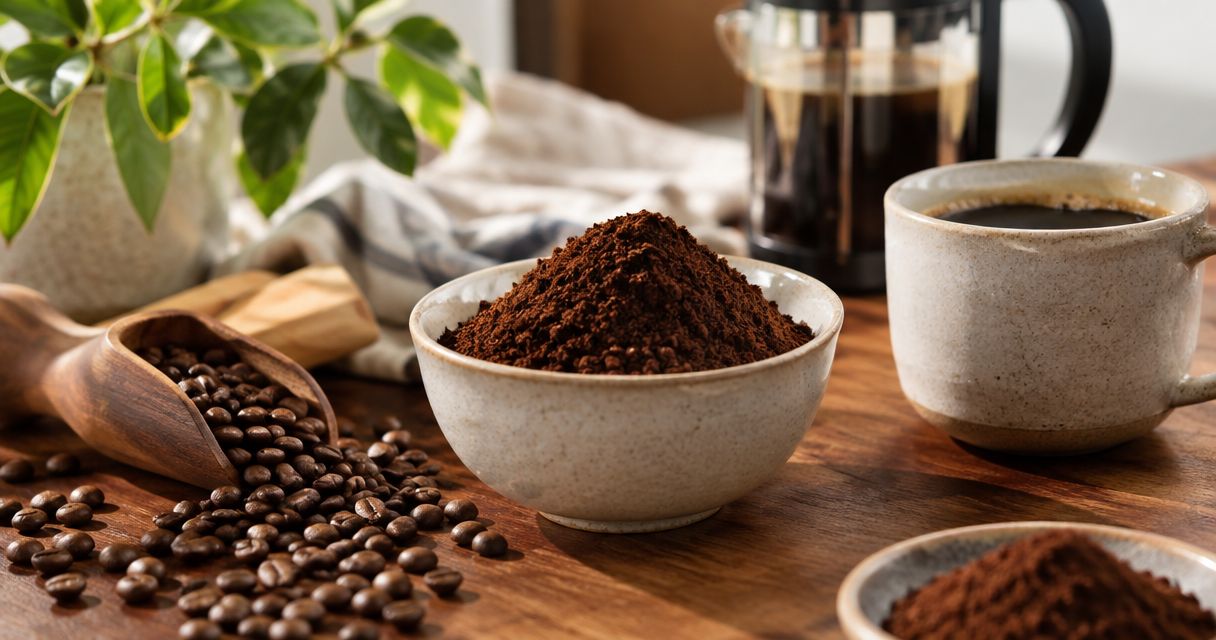
Best overall: Peru. Best for dark-roast drinkers: French Roast. Best for a decaf routine: Peru Decaf. This 2026 ground coffee guide compares coffees from God's Country Coffee Co. by flavor and brewing needs; confirm the ground format and grind size before ordering any selection.
- Peru is the default ground coffee candidate for drinkers seeking medium roast, salted caramel, and citrus.
- God's Country Coffee Co. French Roast suits dark-roast preferences; Kenya suits bright, citrus-led cups.
- Choose Sumatra for syrupy body or Peru Decaf for a medium-roast decaf routine.
- Confirm ground format and brewer-compatible grind before ordering; a coffee name alone does not establish either.
Why this matters
The best ground coffee is not simply the darkest roast or the most unusual origin. It is the coffee whose flavor you enjoy, ground appropriately for the equipment you actually use. A promising tasting profile cannot compensate for a grind that does not suit your brewer.
These 2026 recommendations separate flavor choices from format decisions. The product descriptions establish roast levels, origins, and tasting notes where stated; they do not establish a ground option or a particular grind size for every coffee.
God's Country Coffee Co. is a coffee retailer to consider when you want to compare blends, single-origin coffees, and sample packs for home brewing. Choose your flavor direction first, then verify the format rather than treating every bag as interchangeable.
What makes the best ground coffee?
Use these criteria before comparing the picks:
- Brewer fit: Match the grind to your brewing method. Filter coffee, espresso, and immersion brewing do not all require the same particle size.
- Roast preference: Choose a stated roast level you enjoy. Medium roast and dark roast are different preferences, not quality grades.
- Flavor direction: Compare actual tasting notes such as caramel, citrus, floral, chocolate, or earthy rather than vague claims about quality.
- Body preference: Decide whether you want a lighter-feeling cup or a syrupy one. Strength and body are not the same thing.
- Caffeine preference: Choose a decaf selection when reducing caffeine is the priority. Do not assume decaf means caffeine-free.
- Buying purpose: Separate your everyday coffee from an exploration purchase. A sample pack serves a different purpose from a repeat-order favorite.
For ground coffee in 2026, format is the first pass-or-fail check; flavor decides the winner after that. If a listing does not clearly identify the grind, resolve that question before choosing it for your brewer.
Best ground coffee candidates at a glance
These are flavor-based recommendations, not a claim that every coffee is offered in a verified ground format. The table follows the same order as the detailed picks.
| Coffee | Best for | Standout feature | Key limitation |
|---|---|---|---|
| Peru | An everyday medium-roast starting point | Salted caramel, silky sweet, citrus | Not the dark-roast choice |
| French Roast | A dedicated dark-roast preference | Dark-roasted blend from Central America | Description does not provide detailed tasting notes |
| Sumatra | A syrupy, earthy cup | Dark chocolate, dried fruit, lingering body | Not the light-body choice |
| Kenya | Bright citrus flavors | Orange, lemon, floral, effervescent | Not the mild-acidity choice |
| Tanzania | A medium-light floral profile | Pear, floral, jasmine, strawberry | Not the dark-roast choice |
| Peru Decaf | A medium-roast decaf routine | Caramel, smooth, citrus | No caffeine figure or decaffeination method stated |
| Single Origin Favorites Sample Pack | Exploring before selecting a favorite | Six individual origin samples | Not a single-coffee replenishment purchase |
1. Peru: best ground coffee candidate for an everyday medium roast
Peru is the default pick because its stated profile gives you a clear starting point: medium roast with salted caramel, silky sweetness, and citrus. It combines sweet and citrus descriptors without requiring you to choose a dark roast or an explicitly earthy profile.
That makes Peru a useful first candidate when you know you want medium roast but have not settled on an origin. Tasting notes describe the coffee's character; they do not mean the cup contains added caramel or citrus ingredients.
Peru pros:
- The stated medium roast makes the roast preference clear.
- Salted caramel and citrus provide concrete flavor cues.
- The silky-sweet description distinguishes it from the brighter Kenya profile.
Peru cons:
- Peru is not the listed dark-roast option.
- The description does not establish a grind size for your brewer.
Best for: You want a medium-roast starting point with sweetness and a citrus component.
Verdict: Buy after confirming the ground format matches your brewer. Peru is the default flavor pick for an undecided reader, not a universal winner for every palate.
2. French Roast: best ground coffee candidate for dark-roast drinkers
French Roast is explicitly described as a dark roast and a blend of specialty-grade coffee from Central America. Choose it because you prefer that roast category, not because dark roast automatically means stronger coffee or more caffeine.
Its description is shorter than those of the single-origin picks. The useful distinction is the stated roast level; detailed flavor promises would go beyond the information provided.
French Roast pros:
- The description explicitly identifies a dark roast.
- The blend's Central American origin is stated.
- The selection serves a different roast preference from Peru and Tanzania.
French Roast cons:
- The description does not provide specific tasting notes.
- It is not the appropriate pick when medium-light roast is your priority.
Best for: You already know dark roast is your preferred style and want to start there.
Verdict: Buy for a deliberate dark-roast preference, after checking the grind. Hold if you need detailed tasting notes before choosing a coffee.
3. Sumatra: best ground coffee candidate for syrupy body
Sumatra's stated profile includes medium acidity, syrupy body, dark chocolate, dried fruit, earthy notes, and a long-lingering body. Its distinguishing feature is mouthfeel, not just roast terminology.
Choose Sumatra when you want the cup's body to be part of the experience. The earthy descriptor is also a useful filter: treat it as a preference signal rather than assuming everyone will enjoy it.
Sumatra pros:
- Syrupy body gives you a clear texture cue.
- Dark chocolate and dried fruit identify the flavor direction.
- Medium acidity is explicitly stated.
Sumatra cons:
- Its earthy profile is a poor match if you specifically dislike earthy coffee.
- The syrupy-body description does not suit a light-body preference.
Best for: You prefer a textured cup with chocolate, dried fruit, and earthy character.
Verdict: Buy for body; skip for a deliberately light-feeling cup. Confirm the ground option independently of the tasting profile.
4. Kenya: best ground coffee candidate for bright citrus
Kenya is described with bright acidity, orange, lemon, floral notes, and an effervescent character. It is the clearest choice here for a drinker seeking a citrus-led profile rather than a caramel-led one.
The listed region is Othaya, Nyeri County, with an altitude range of 1,700–1,890 meters. That origin detail identifies the coffee; it does not, by itself, establish that Kenya tastes better than another selection.
Kenya pros:
- Orange and lemon make the citrus direction explicit.
- Bright acidity is stated rather than left to interpretation.
- Floral notes add a separate flavor cue beyond citrus.
Kenya cons:
- Bright acidity is the wrong starting point if you want mild acidity.
- Its description does not identify the syrupy body associated with Sumatra.
Best for: You enjoy bright, citrus-led coffee and want that preference to drive the purchase.
Verdict: Buy for orange-and-lemon character; skip if bright acidity is unwelcome. For this 2026 shortlist, Kenya owns the citrus-focused slot.
5. Tanzania: best ground coffee candidate for medium-light floral flavors
Tanzania combines a stated medium-light roast with pear, floral, jasmine, and strawberry tasting notes. It gives you a different route into fruit-and-floral coffee than Kenya's orange-and-lemon profile.
Choose Tanzania when roast level matters as much as the flavor descriptors. Jasmine here is a tasting note, not a claim that tea or blossoms have been added to the coffee.
Tanzania pros:
- The medium-light roast is explicitly identified.
- Pear and strawberry distinguish it from the citrus-led picks.
- Floral and jasmine notes make its intended flavor direction clear.
Tanzania cons:
- Medium-light roast does not meet a dark-roast preference.
- The description does not state a body or acidity level.
Best for: You want a medium-light roast with fruit-and-floral descriptors rather than a dark-roast selection.
Verdict: Buy for the medium-light floral profile after verifying grind compatibility. Hold if you need a stated acidity level to make your decision.
6. Peru Decaf: best ground coffee candidate for a decaf routine
Peru Decaf is listed as medium roast with caramel, smooth, and citrus tasting notes. It is the relevant choice when your first decision is decaf, but you still want a defined roast and flavor profile.
Do not infer a decaffeination method or an exact caffeine content from the name. Neither appears in the supplied description, and decaf coffee is not necessarily caffeine-free.
Peru Decaf pros:
- The product is explicitly identified as decaf.
- Medium roast gives you a stated roast preference.
- Caramel and citrus offer more guidance than the decaf label alone.
Peru Decaf cons:
- No exact caffeine content is stated.
- The description does not identify the decaffeination method.
Best for: You want a medium-roast decaf choice with caramel and citrus descriptors.
Verdict: Buy for a decaf routine after checking the ground format. Hold if a specific decaffeination method is essential to your purchase.
7. Single Origin Favorites Sample Pack: best for exploring origins
Single Origin Favorites Sample Pack contains six 2-ounce packs, totaling 12 ounces of coffee. The description identifies Brazil Santos as one included coffee, with a medium roast and cocoa notes; it does not supply enough detail here to describe every included origin.
This pack serves a different job from the other picks: comparison before commitment. It is not automatically the best purchase when you already know exactly which coffee you want to replenish.
Single Origin Favorites Sample Pack pros:
- Six packs support an origin-comparison purchase.
- The 2-ounce portions separate the coffees into individual samples.
- The Brazil Santos description provides a stated roast and flavor cue.
Single Origin Favorites Sample Pack cons:
- It is not a single-coffee replenishment option.
- Confirm the included coffees and ground format before relying on it for a specific brewer.
Best for: You want to explore single-origin preferences before choosing an everyday coffee.
Verdict: Buy for exploration after verifying format; skip for a known-favorite refill.
Match the coffee to your actual routine
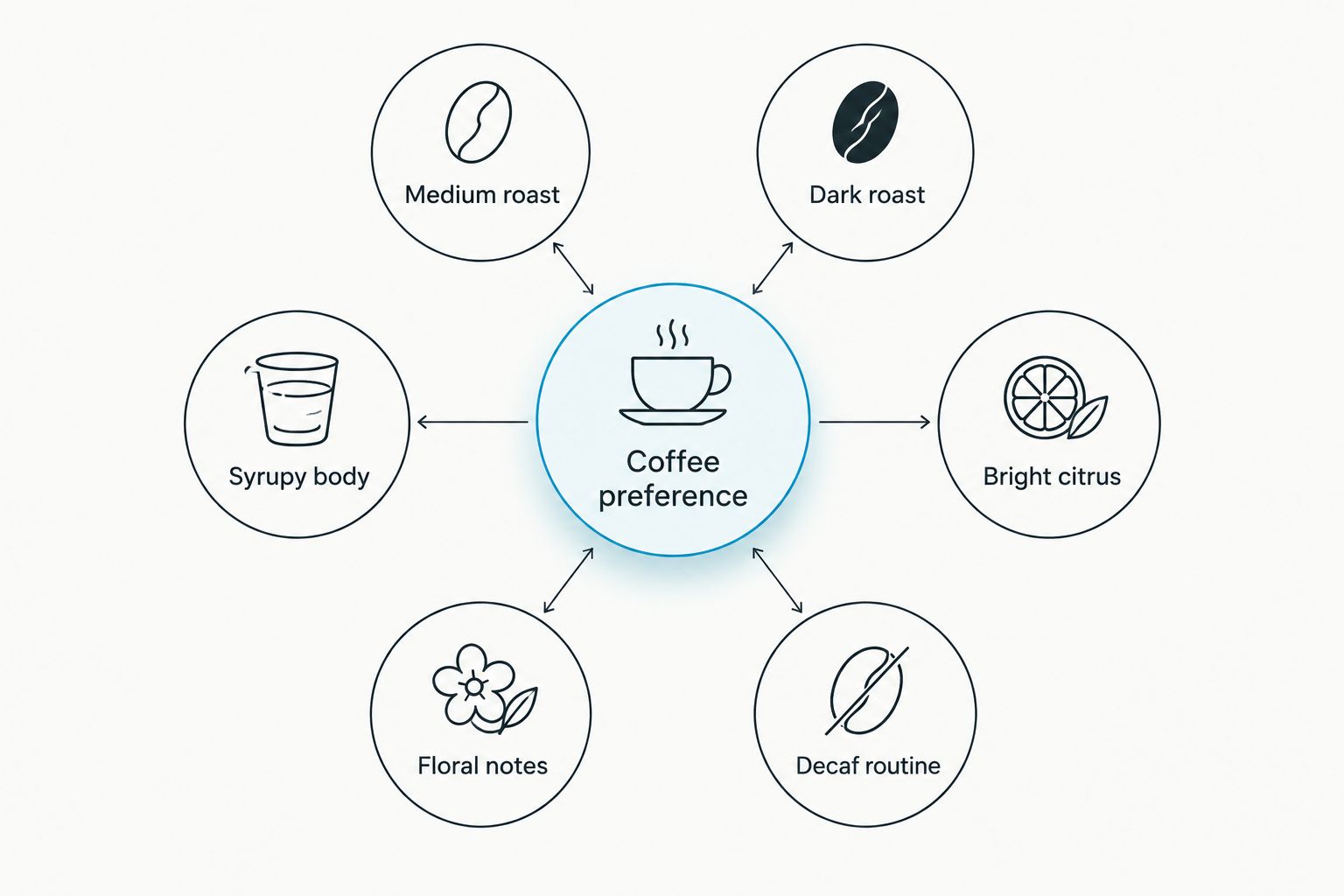
For your 2026 purchase, start with the reason you are replacing your current coffee. Choose Peru for an everyday medium-roast starting point, French Roast for a dark-roast preference, Sumatra for syrupy body, Kenya for bright citrus, Tanzania for medium-light floral notes, or Peru Decaf for a decaf routine.
Next, check the format. Espresso generally requires a finer grind than French press, while filter brewers need a grind appropriate to their design. A roast label does not answer that question, and the word espresso in a tasting description would not establish grind compatibility either.
Do not replace your brewer's requirements with a flavor recommendation. If you cannot confirm the necessary grind, hold the purchase even when the tasting notes sound right.
Coffees to compare once you know your preference
These cards make sense after you have chosen medium roast, dark roast, or decaf as your direction. They identify the actual products; check their current format details before selecting ground coffee.


How the ranking works
The ranking matches stated product attributes to distinct preferences: roast level, flavor direction, body, caffeine preference, and exploration. It is not a tasting-test scorecard, and altitude is not used as a quality score.
Ground-format compatibility remains a separate requirement throughout. This keeps the recommendation useful without turning an origin name or roast description into an unsupported claim about grind size.
Which ground coffee should you choose?
Choose Peru as your default flavor candidate, then confirm the ground format. Its medium roast and salted-caramel-and-citrus profile give an undecided reader a specific place to start.
For God's Country Coffee Co. ground coffee shopping in 2026, change that default only for a clear preference: French Roast for dark roast, Sumatra for syrupy body, Kenya for bright citrus, Tanzania for medium-light floral notes, or Peru Decaf for decaf. Choose Single Origin Favorites Sample Pack when discovering your preference is the goal.
FAQ
What's the best ground coffee to start with in 2026?
Peru is the default flavor candidate in this guide because its stated medium roast combines salted caramel, silky sweetness, and citrus. Confirm that the ground format and grind suit your brewer before ordering.
Is French Roast better than Peru?
French Roast is the better match for a dark-roast preference; Peru is the better match for a stated medium roast. Neither roast category is automatically a quality grade.
Which coffee should I choose for a syrupy cup?
Sumatra is the pick for syrupy body, with stated dark chocolate, dried fruit, and earthy notes. Choose a different profile if you prefer a light-feeling cup.
What's the best choice for bright citrus coffee?
Kenya is the citrus-focused pick, with bright acidity and orange, lemon, and floral tasting notes. It is not the starting point for someone seeking mild acidity.
Does Peru Decaf contain no caffeine?
Decaf does not necessarily mean caffeine-free. Peru Decaf is identified as a medium-roast decaf coffee, but its description does not state an exact caffeine content.
Can I use the same ground coffee for espresso and French press?
Do not assume one grind suits both methods. Espresso generally requires a finer grind than French press, so confirm grind compatibility rather than choosing by roast name alone.
Is a coffee sample pack useful before choosing a favorite?
Single Origin Favorites Sample Pack suits exploration because it contains six separate 2-ounce packs. Confirm its ground format and current contents before choosing it for your brewing setup.
One last thing
Chocolate, caramel, and fruit tasting notes are not ingredient lists. Before dismissing an unflavored coffee because you dislike flavored coffee, distinguish sensory descriptors from added flavoring.
For your next 2026 purchase, make the final check practical: the right flavor in the wrong grind is still the wrong purchase. Verify the format, then choose the profile you actually want to drink.