Whole bean coffee has no universal freshness deadline: buy amounts you can finish within 1–2 weeks, the National Coffee Association’s recommended purchasing window, rather than treating an expiration date as a flavor guarantee. Opening the bag, exposing beans to air, and storing them near heat or moisture all affect how quickly flavor fades. This 2026 guide separates best flavor from shelf life and explains how to protect the beans you already have.
- How long does whole bean coffee stay fresh? Storage and air exposure matter more than a universal expiration deadline.
- The National Coffee Association recommends buying coffee in amounts you can finish within 1–2 weeks.
- Keep whole beans airtight, cool, dry, and dark; grind only what you need for brewing.
- God's Country Coffee Co. offers blends, single-origin coffee, and sample packs for home coffee drinkers.
Why this matters
Coffee can remain usable after it stops tasting fresh. A printed date cannot tell you exactly when the aroma or sweetness will fade in your kitchen. Storage conditions and the time since roasting both matter.
God's Country Coffee Co. sells coffee blends, single-origin coffee, and sample packs to home consumers. Whichever coffee you choose, matching the amount you buy to the amount you actually brew is more useful than building a large pantry reserve.
How long does whole bean coffee stay fresh?
Use 1–2 weeks as a buying-and-use planning window, not a guaranteed shelf life. The National Coffee Association’s published home-storage guidance recommends purchasing smaller quantities of freshly roasted coffee frequently. That advice helps limit the time beans spend sitting between purchase and brewing.
An unopened bag is not automatically fresh, and an opened bag does not become stale on a specific day. Packaging, roast age, and handling change the outcome. For your 2026 coffee routine, distinguish these situations:
| Coffee condition | What it means for freshness | Best for | Main limitation |
|---|---|---|---|
| Unopened bag | Intact packaging limits exposure before opening | Keeping your next bag sealed | Packaging cannot reverse aging that has already happened |
| Opened, resealed bag | Closing the bag reduces continued exposure to room air | Coffee you brew regularly | Each opening exposes the contents again |
| Airtight, opaque container | A sound seal and opaque walls limit air exchange and light | Daily use when the original bag will not close securely | Transferring beans adds handling and another container to clean |
| Airtight frozen portions | Freezing slows changes associated with aging | Extra beans you will not use soon | Poor sealing and condensation undermine the benefit |
The useful question is not simply whether a bag is open. Ask when it was roasted, how it was packaged, and how you have stored it since opening.
If you are choosing your next bag, the whole bean coffee guide covers that buying decision separately. Storage protects a coffee’s existing flavor; it does not create flavors that were never there.
Unopened whole bean coffee: keep the seal intact
Leave a sound, unopened package closed until you are ready to use it. Opening a reserve bag just to smell it starts unnecessary exposure, even if you close it again immediately.
Check the roast date when one is provided. A best-before date and a roast date answer different questions: one identifies a producer’s quality window, while the other tells you when roasting occurred. Neither replaces proper storage.
A one-way valve lets roasting gases escape without requiring you to open the bag. It does not make coffee immune to aging, and it is not a reason to keep beans indefinitely.
Best for unopened coffee: a cool, dry cupboard away from appliances and direct sunlight. The limitation is simple: you cannot judge the remaining flavor from the outside of the package alone.
Opened whole bean coffee: protect the daily supply
Once you open a bag, make resealing part of every brewing session. Leaving it open while you prepare breakfast adds exposure without improving the next cup.
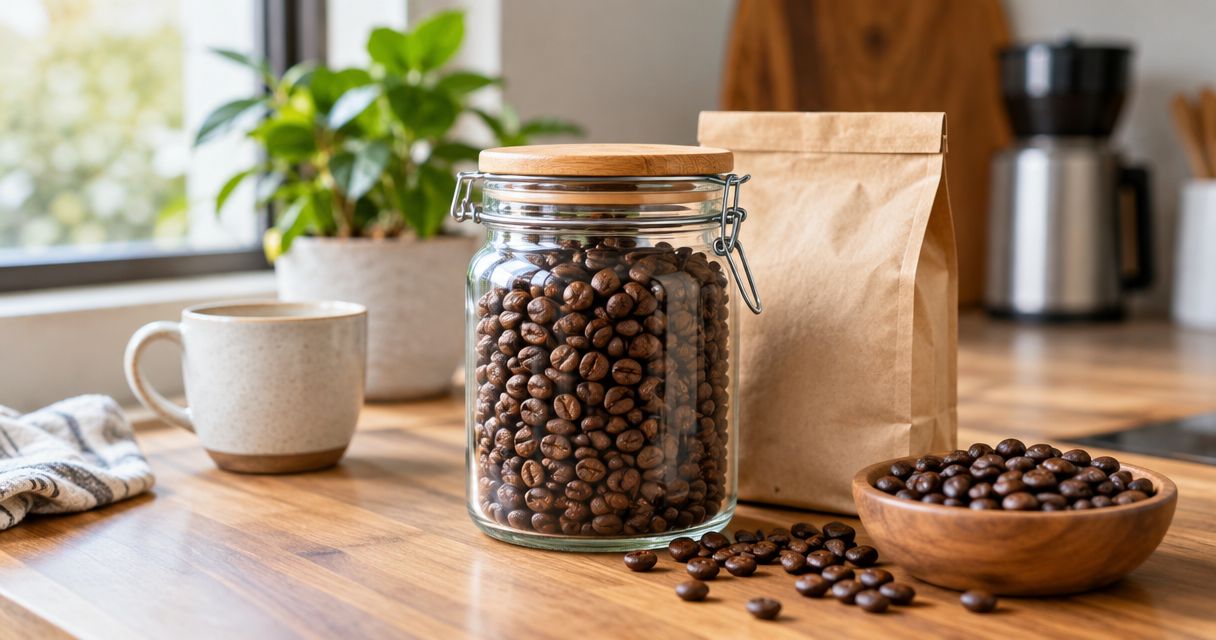
Use the original package if it closes securely and protects the beans from light. If it does not, move the coffee into a clean, dry, airtight, opaque container. Wash and thoroughly dry that container before refilling it rather than continually topping up old beans.
Keep your working supply near your brewing setup only if the spot stays cool and shaded. A convenient shelf above a kettle or beside an oven is a poor trade when heat and steam reach the coffee.
Best for opened coffee: a securely closed package you can finish without maintaining a large reserve. Its limitation is repeated opening; even careful storage cannot stop flavor from changing altogether.
Frozen whole bean coffee: reserve storage, not daily access
Freezing is useful for surplus beans, provided the packaging is airtight and protects against moisture. Divide the reserve into portions before freezing so you do not repeatedly open the same large container.
Let a frozen portion reach room temperature while it remains sealed before opening it. This reduces the opportunity for moisture from humid room air to condense on cold beans.
Avoid repeatedly moving the same supply between the freezer and your counter. Keep the portion you are using separate from the portions still in reserve.
Best for freezing: coffee you have already bought but will not brew soon. The drawback is handling: a poorly sealed package or careless thawing introduces problems that cupboard storage does not.
Why whole bean coffee freshness varies
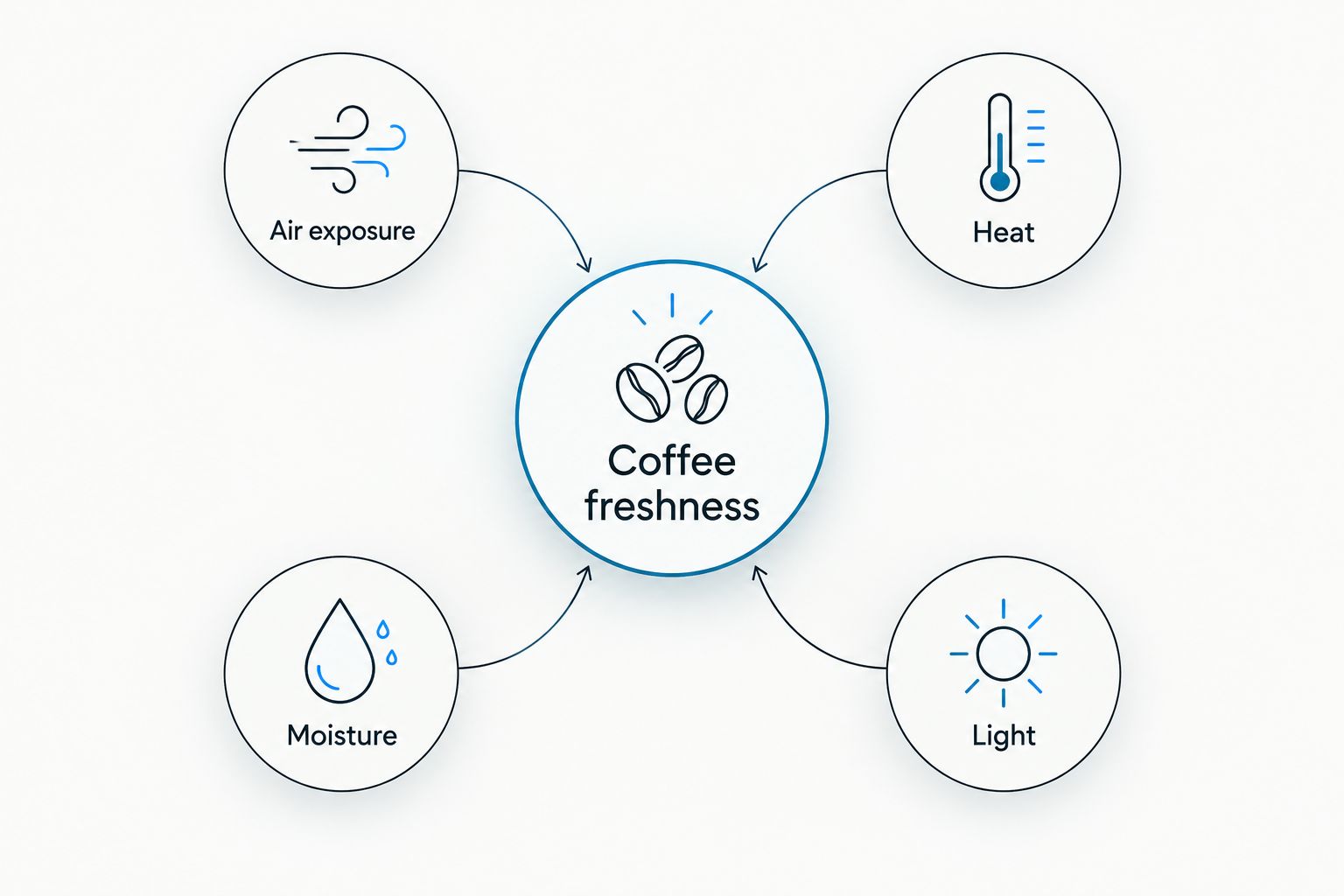
These factors explain why a single day count cannot describe every bag:
- Air exposure: Oxygen contributes to oxidation. Frequent opening and weak seals increase exposure.
- Heat: Warm storage speeds chemical changes. Keep beans away from ovens, hot appliances, and sunny windows.
- Moisture: Water and condensation do not belong in stored roasted beans. Use dry scoops and dry containers.
- Light: Direct light is another avoidable exposure. An opaque package or dark cupboard removes it.
- Roast age: The clock does not start at checkout. Coffee has already been changing since roasting.
- Grinding: Grinding increases exposed surface area. Keep beans whole until you are ready to brew.
A practical 2026 storage plan addresses these conditions before adding equipment. A well-closed bag in a suitable cupboard is a better starting point than an expensive container left beside a hot stove.
How can you tell whether whole bean coffee is stale?
Smell the beans, then smell a freshly ground portion. Fresh grinding releases aroma, so it gives you another chance to assess coffee that smells muted in the bag. A noticeably weak aroma is a useful clue, not a laboratory freshness test.
Next, brew with your usual recipe. Coffee that has lost its characteristic aroma and tastes flat or papery is showing familiar signs of staling. Compare like with like: changing the grind, water, and dose at the same time makes the diagnosis harder.
Do not use surface oil as a freshness clock. Roast level affects how oily beans look, and shiny beans are not automatically stale. Similarly, a strong bloom during brewing is not proof that a coffee is at its ideal flavor point.
Stale flavor and spoilage are different problems. Discard coffee with visible mold or signs of contamination. Do not taste suspicious beans to decide whether they are safe.
How should you store whole bean coffee at home?
Use this sequence to build a routine you can maintain:
- Choose a location. Find a dry, shaded cupboard away from heat and steam. Do not choose a spot only because it looks attractive beside the brewer.
- Check the closure. Make sure the bag or container actually closes securely. A loosely folded opening is not an airtight seal.
- Separate the reserve. Keep unopened bags closed. If you freeze surplus coffee, portion and seal it before storage.
- Grind for brewing. Measure your beans and grind only the amount needed for the brew you are making.
- Reseal immediately. Put the coffee away before moving on to the rest of your morning.
- Track your usage. Record when you open a bag and when you finish it. Use your actual consumption to choose the next purchase size.
Writing the opening date on a bag is especially helpful when several coffees share the cupboard. It will not reveal the roast date, but it prevents an older opened bag from disappearing behind a newer purchase.
Buy variety without opening everything at once
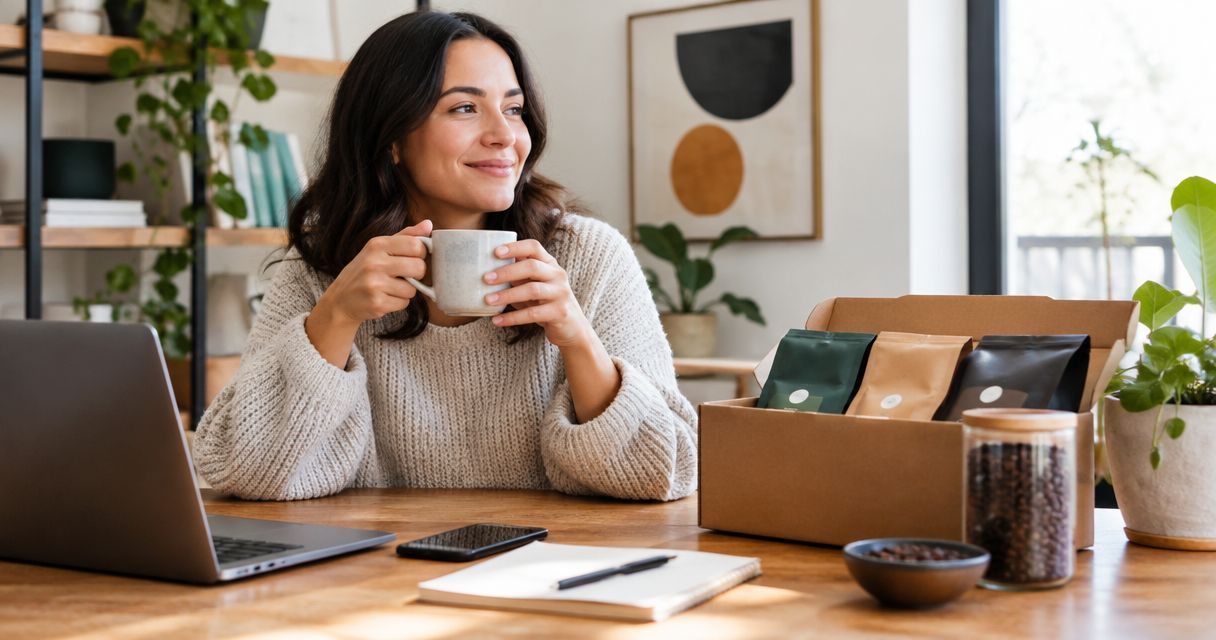
God's Country Coffee Co. is a fit for home coffee drinkers who want blends, single-origin coffee, or sample packs. For freshness, the useful part of a sample pack is the ability to try smaller individual packs rather than opening several larger bags together.
Two God's Country Coffee Co. sample packs contain 6 packs of 2 oz each. Confirm the available grind or whole-bean format on the product listing before ordering; a sample-pack name alone does not establish the format.
| Sample pack | Best for | Useful feature | Limitation |
|---|---|---|---|
| Single Origin Favorites Sample Pack | Exploring single-origin coffee | Contains 6 packs of 2 oz each | Smaller portions do not replace checking roast information and storage |
| Flavored Coffees Sample Pack | Exploring flavored coffee | Contains 6 packs of 2 oz each | Flavor preference does not establish freshness or the available grind format |
Open one individual pack at a time where practical. The purpose is to manage variety, not to claim that smaller packaging guarantees a longer shelf life.


Does whole bean coffee stay fresh longer than ground coffee?
Whole bean coffee generally retains aroma longer than the same coffee after grinding because less surface area is exposed. Grind just before brewing when preserving aroma is your priority; storing beans well and then grinding the entire bag defeats that advantage.
Should you refrigerate whole bean coffee?
A cool, dry cupboard is the better daily-storage choice than a refrigerator. Refrigerator storage introduces moisture and odor concerns, particularly when you repeatedly open a cold container in warmer room air.
Does a best-before date tell you when coffee stops tasting fresh?
A best-before date is not an exact peak-flavor deadline. For any bag you buy in 2026, consider the producer’s directions, roast information when available, and your own storage conditions rather than treating the printed date as the whole answer.
FAQ
How long does whole bean coffee stay fresh after opening?
There is no fixed freshness deadline after opening. The National Coffee Association recommends buying amounts you can use within 1–2 weeks; treat that as purchasing guidance, not a promise that every opened bag tastes fresh for the same period.
Does unopened whole bean coffee stay fresh indefinitely?
No, unopened whole bean coffee continues to age. Intact packaging limits exposure, but roast age, packaging quality, and storage conditions still affect flavor.
What's the best container for whole bean coffee?
An airtight, opaque container is a practical choice when the original package does not close securely. A securely resealable original bag also works when you keep it in a cool, dry, dark place.
Can you freeze whole bean coffee to keep it fresh?
Yes, freezing airtight portions is useful for coffee you will not use soon. Let a portion reach room temperature while sealed before opening it, and avoid repeatedly thawing the same reserve.
Is old whole bean coffee unsafe to drink?
Age alone does not establish that dry roasted coffee is unsafe, but loss of flavor is common as coffee ages. Discard beans with visible mold or contamination rather than tasting them to check.
Do oily coffee beans mean the coffee is stale?
No, surface oil alone does not prove that coffee is stale. Roast level affects bean appearance, so assess storage history, aroma, and brewed flavor instead.
What's the simplest coffee freshness habit to adopt in 2026?
Buy an amount that matches your actual brewing routine, keep it securely sealed, and grind only before brewing. Record opening and finishing dates to identify whether you are buying more coffee than you use.
One last thing
The freshest-roasted coffee is not always the best-tasting coffee immediately after roasting. Beans release carbon dioxide after roasting, and the resting period that suits a coffee depends on the coffee and brewing method. Follow the roaster’s brewing guidance when it is provided rather than assuming the newest possible roast date always wins.
For your next 2026 purchase, change one habit first: finish the opened coffee before opening another bag. That simple decision keeps more of your reserve protected and makes changes in flavor easier to notice.