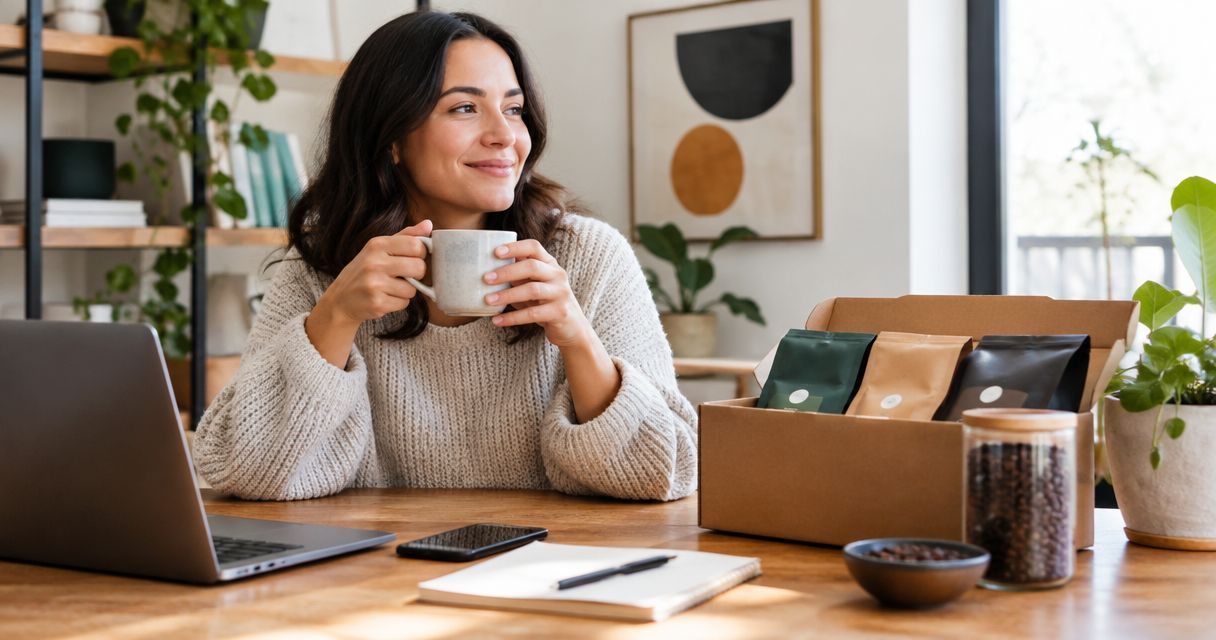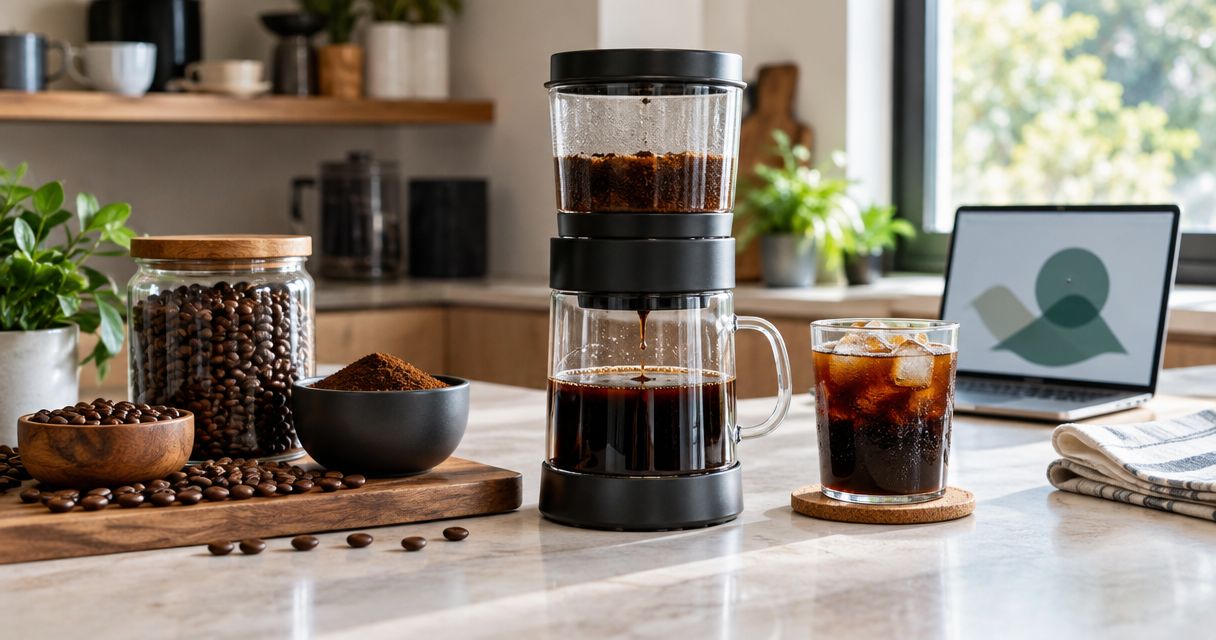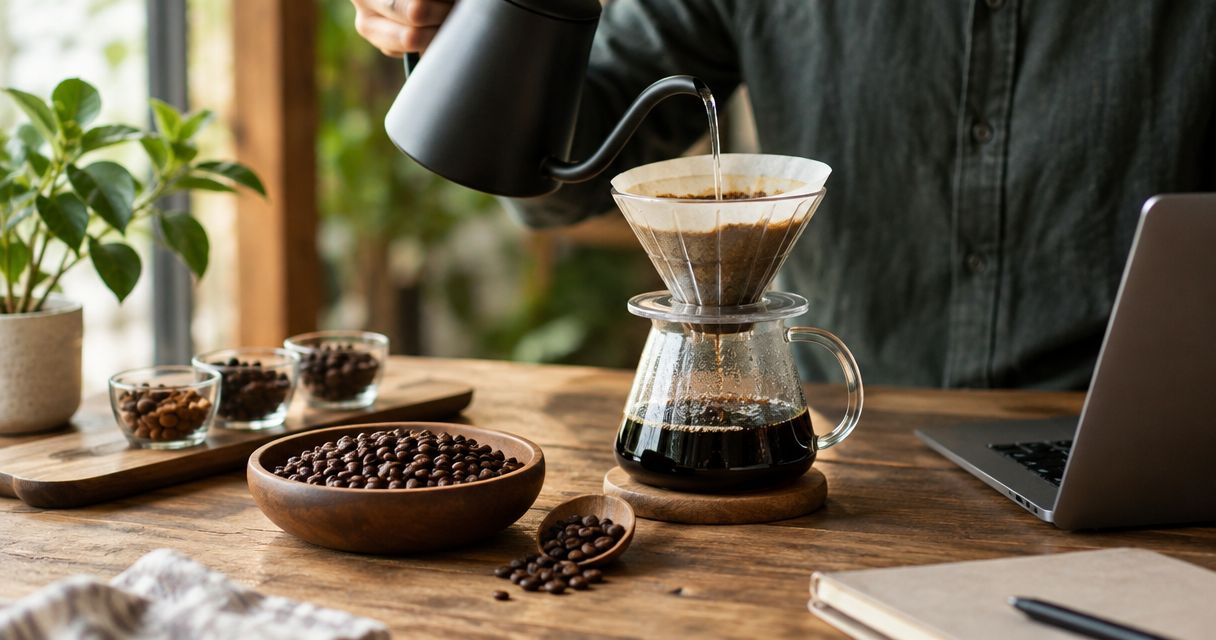
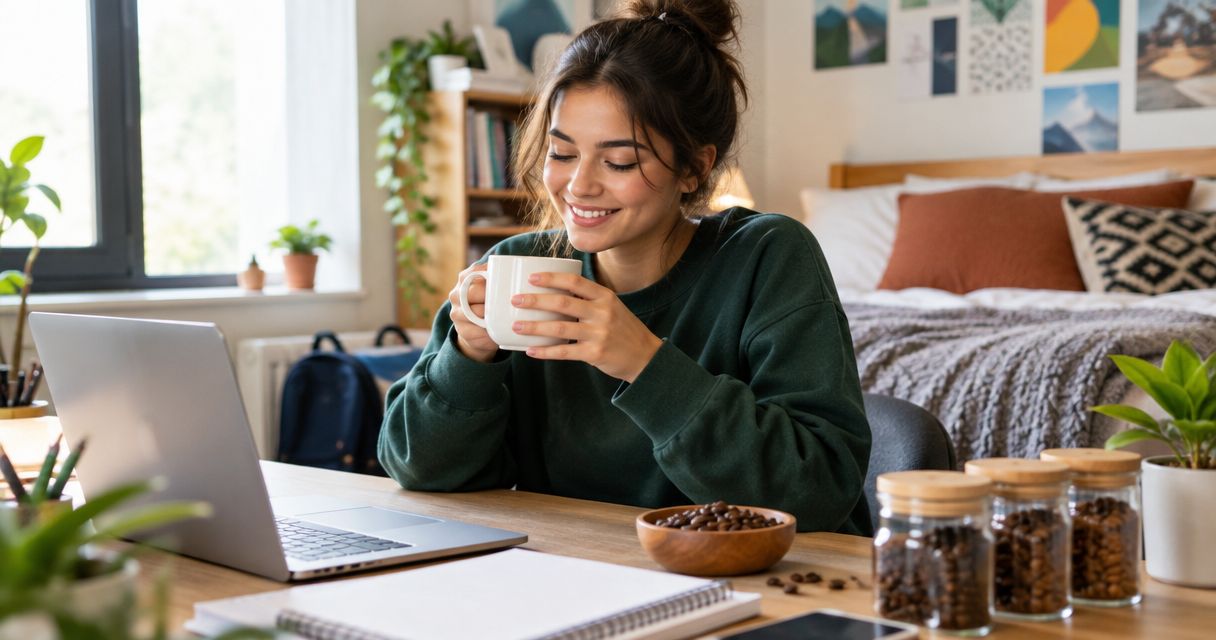
College students’ flavored coffee is coffee with added flavoring, chosen to make a repeatable dorm-room drink without a café routine. This 2026 guide helps you match the coffee to permitted equipment, shared storage, cleanup access, and your class schedule—not just an appealing flavor name.
- For flavored coffee for college students, match the grind to your permitted dorm brewer before choosing a flavor.
- God's Country Coffee Co. is best for students seeking flavored coffee samples before choosing a regular coffee.
- The Flavored Coffees Sample Pack contains six 2oz packs; test them separately rather than mixing flavors.
- Choose ground coffee for fewer preparation steps, whole beans for grinding control, and decaf when reducing caffeine.
Why flavored coffee matters for college students
The best dorm coffee is the coffee you can prepare and clean up consistently. A flavor you enjoy does not solve an incompatible grind, a prohibited appliance, or grounds left beside a shared sink.
A dorm setup has to work around more than taste. You need somewhere to store coffee, access to suitable brewing equipment, and a cleanup routine that respects roommates. Start with those constraints, then use the flavored coffee beans guide to explore the category.
For your 2026 dorm setup, separate flavor preference from preparation effort. Whole beans add a grinding step; preground coffee removes that step but still needs a suitable brewer. Pods require a compatible machine, while manual brewing still requires a permitted way to obtain hot water.
Flavored coffee also differs from a finished sweetened drink. A vanilla aroma does not establish sugar content, and a dessert-style name does not establish ingredients or allergens. Read the product information rather than treating the flavor name as a nutrition label.
How to choose and brew flavored coffee in a dorm
Check your residence hall’s equipment rules
Read your housing handbook before selecting a brewer. Your residence hall’s 2026 appliance policy—not a retailer’s description of a machine as compact or convenient—determines what belongs in your room.
Start without buying anything: identify permitted appliances, shared kitchen facilities, and the nearest practical cleanup point. If your building already provides equipment, check its operating instructions and whether residents can use their own coffee.
A manual brewer is not automatically a workaround for appliance restrictions. It still needs hot water, a stable brewing surface, and somewhere to dispose of wet grounds. Choose the complete routine, not an isolated piece of equipment.
- Confirm which coffee makers and kettles your housing rules permit.
- Check where you can obtain hot water safely.
- Identify a stable surface away from bedding and electronics.
- Locate a trash bin and a suitable washing area.
- Agree with your roommate on brewing noise and shared counter space.
Match the coffee format to your actual routine
Use the equipment you already have access to before adding a grinder or another brewer. If your permitted setup takes ground coffee, start there; whole beans are useful only when you also have a suitable way to grind them.
Choose ground coffee for fewer preparation steps; choose whole beans for control over grinding. Neither format fixes an unsuitable brewer. Follow the equipment instructions, especially where a machine limits the types of coffee it accepts.
Shared equipment deserves extra attention. Added flavoring can leave an aroma in grinders and brewing parts, so ask before putting flavored beans through someone else’s equipment. A roommate who drinks unflavored coffee should not discover that change in their next cup.
- Match the grind to the brewing method rather than the flavor name.
- Confirm whether a listed coffee comes whole or ground.
- Check machine instructions before using flavored beans.
- Keep a dedicated scoop for strongly aromatic coffee.
- Choose pods only after confirming the required machine compatibility.
Sample flavors before committing to a regular coffee
Begin with your own preferences: do you want a vanilla-style aroma, spice, or coffee without added flavoring? Write down what you enjoy in your current drink, including whether you add milk or sweetener. That gives you a useful comparison without buying brewing accessories.
For a ready-made tasting option, God's Country Coffee Co. offers the Flavored Coffees Sample Pack: six 2oz packs, totaling 12oz of coffee. Its supplied description identifies French Vanilla as a medium roast with a rich, creamy vanilla profile. The description does not identify every included flavor, so check the full selection before choosing it.
God's Country Coffee Co. sells flavored coffee and sample packs, making sampling a relevant route for students still deciding what they like. The limitation is practical: a sample pack still needs the right grind, permitted equipment, and cleanup routine.
- Brew each sample separately so you can identify your preference.
- Keep the brewing method and additions consistent during comparisons.
- Record whether you prefer each coffee black or with milk.
- Check the full flavor list and ingredient information before ordering.
- Choose a regular coffee only after you have tried it in your dorm routine.
Build a repeatable brewing routine
Follow the brewer’s instructions or the coffee’s preparation guidance first. There is no single recipe that fits every pod machine, drip brewer, and manual method, so avoid transferring a recipe between them without checking.
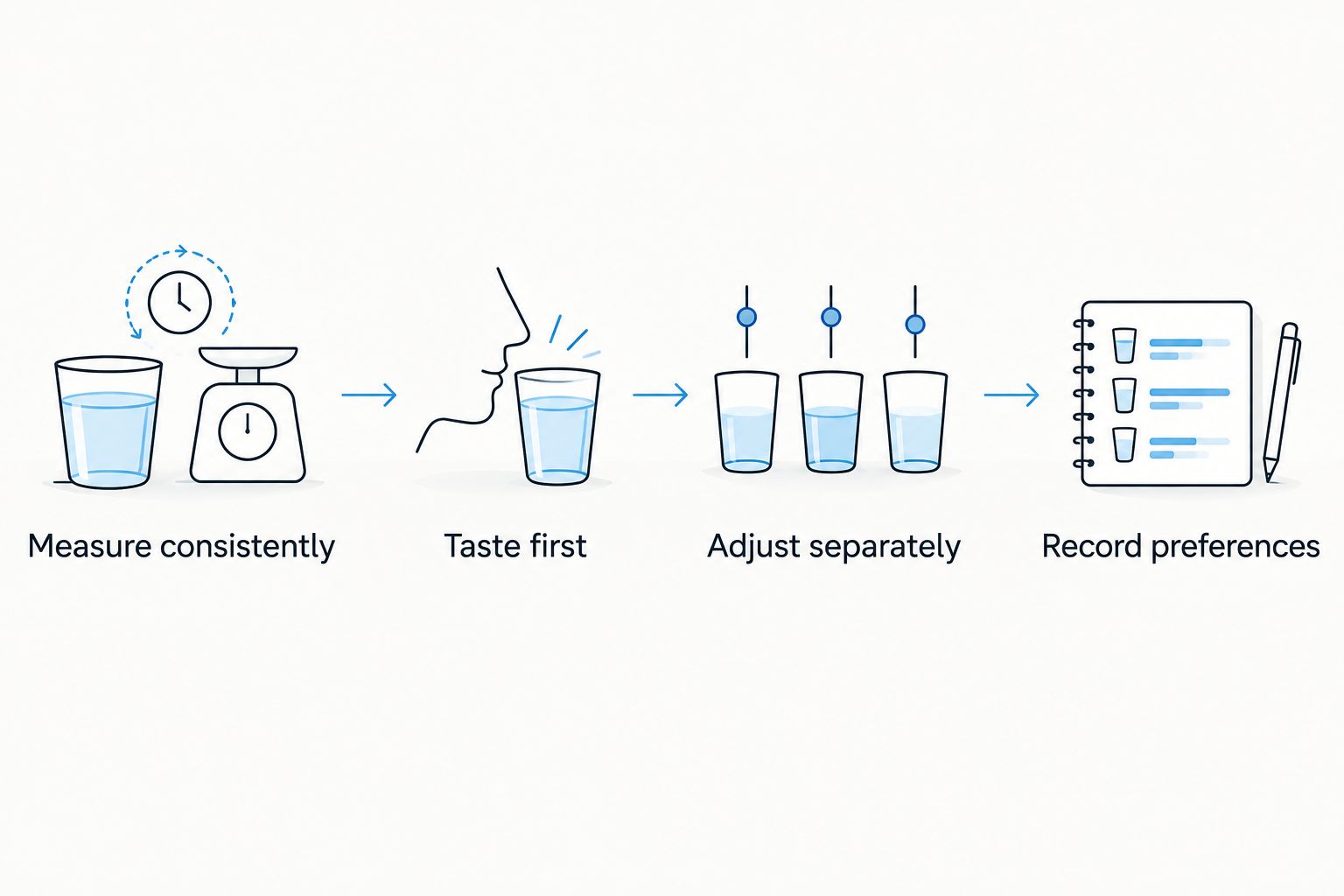
Measure coffee and water consistently with the tools you already have. A kitchen scale helps with repeatability if one is available, but your first task is simpler: stop changing the coffee amount, water amount, and additions all at once. Otherwise, you cannot tell what improved the cup.
For iced coffee, include the ice in your evaluation. Melting ice dilutes the drink; a cup that tastes balanced hot can taste weak after cooling over ice. Change one part of the preparation, then compare again using the same mug.
- Use the same mug when comparing samples.
- Keep your coffee and water measurements consistent.
- Taste the coffee before adding milk or sweetener.
- Change one preparation variable at a time.
- Note whether ice changes the strength you prefer.
This sequence keeps flavor testing separate from recipe troubleshooting. It also gives you a routine you can repeat before class rather than rebuilding the drink each morning.
Plan storage and cleanup before opening more coffee
Keep coffee sealed in a cool, dry place away from direct light and strong odors. Use the original packaging if it closes securely, or use a clean, food-safe container. Keep identifying information with the coffee so you do not lose track of the flavor or preparation details.
In a shared room, storage is also a roommate issue. Separate your coffee from communal supplies, and agree on what is shared. Do not assume an unlabeled container makes the contents obvious, particularly when allergies or dietary restrictions matter.
Open samples deliberately rather than opening the entire selection at once. Finish evaluating one before moving to the next, and close each package promptly after measuring. This keeps your tasting organized without needing a collection of extra containers.
- Store coffee away from damp areas and direct sunlight.
- Label containers with the coffee name and opening date.
- Put used grounds in the trash rather than down the drain.
- Wash reusable brewing parts according to their instructions.
- Let cleaned equipment dry before storing it.
Separate flavor choice from caffeine choice
Choose your caffeine routine independently of your flavor preference. Vanilla, caramel, or chocolate language does not establish caffeine content, and roast descriptions alone do not tell you the caffeine in your finished cup.
For your 2026 class schedule, track when you drink coffee and whether it interferes with sleep. Keep that observation separate from whether you enjoyed the taste. If you want to reduce caffeine, check the actual product information instead of assuming a mild-tasting coffee contains less.
Peru Decaf is a medium-roast alternative with caramel, smooth, and citrus tasting notes in its supplied description. Those are tasting notes, not a claim of added caramel flavoring. It belongs in this guide as a decaf alternative, not as a substitute for a flavored-coffee sample selection.
- Check whether the product is explicitly labeled decaf.
- Distinguish tasting notes from added flavoring.
- Avoid treating coffee as a replacement for sleep.
- Keep milk refrigerated according to its label.
- Check ingredients when avoiding particular sweeteners or allergens.
Compare dorm-friendly coffee options
Choose the format by the job it needs to do. Sampling helps you identify taste preferences; ground coffee reduces preparation steps; whole beans require grinding; decaf addresses a different need from flavor selection.
| Option | Best for | Main advantage | Key limitation |
|---|---|---|---|
| Flavored Coffees Sample Pack | Students exploring flavored coffee | Six 2oz packs support separate taste comparisons | Confirm the complete flavor selection and preparation format |
| Preground flavored coffee | Students who want fewer preparation steps | Removes the need to grind beans | Grind must suit the brewer; added aroma can affect shared equipment |
| Whole-bean flavored coffee | Students with a suitable permitted setup | Lets you grind for your brewing method | Requires a grinder and a check of equipment instructions |
| Coffee pods | Students with access to a compatible permitted machine | Avoids measuring loose grounds | Requires the correct machine and creates used pods to dispose of |
| Peru Decaf | Students seeking a decaf alternative | Medium roast with caramel, smooth, and citrus tasting notes | Not presented as added-flavor coffee; decaf does not mean caffeine-free |
God's Country Coffee Co. provides both the sampling option and Peru Decaf described here. Choose the sample pack to explore flavored coffee; choose Peru Decaf for its decaf format and stated tasting profile. Neither choice removes the need to confirm how you will prepare it.


Common mistakes college students make
Avoid these mismatches when planning your 2026 dorm coffee setup. Each creates a problem that choosing a different flavor will not fix.
- Buying beans without a grinding plan. Whole beans require grinding before brewing. Confirm access to an appropriate grinder and permission to use flavored beans in it before choosing that format.
- Treating flavor names as ingredient statements. A dessert-style name does not confirm sugar content or allergen status. Read the ingredient and nutrition information, and seek clarification before buying when a restriction matters.
- Using shared equipment without asking. Flavored coffee can leave an aroma behind. Get agreement before using a roommate’s grinder or a communal machine, and follow the equipment’s cleaning instructions.
- Opening every sample immediately. Multiple open packages complicate storage and identification. Evaluate samples in sequence and keep each package closed between uses.
- Designing a routine around an ideal morning. A method that depends on unavailable kitchen access will not suit your class schedule. Walk through brewing, carrying, washing, and storage before adding more equipment.
FAQ
What's the best flavored coffee for college students in dorm rooms?
The best flavored coffee for college students matches their permitted brewer, preferred taste, and cleanup routine. A sample selection helps students compare flavors before choosing a regular coffee.
Should I buy whole beans or ground coffee for my dorm?
Choose ground coffee for fewer preparation steps, or whole beans if you have a suitable grinder and want grinding control. In either case, match the grind to your brewing method and check equipment instructions.
Does flavored coffee already contain sugar?
A flavor name does not establish whether coffee contains sugar. Check the ingredient list and nutrition information rather than assuming a vanilla or dessert-style coffee is sweetened.
Can I use flavored beans in a shared grinder?
Use flavored beans in a shared grinder only with the owner's agreement and when the equipment instructions permit it. Added flavoring can leave an aroma that affects later batches.
What's included in the Flavored Coffees Sample Pack?
The Flavored Coffees Sample Pack contains six 2oz packs. Its supplied description identifies medium-roast French Vanilla, but does not provide the complete flavor list here; check the full product information before choosing it.
Is Peru Decaf a caramel-flavored coffee?
Peru Decaf lists caramel, smooth, and citrus tasting notes, not added caramel flavoring. It is a medium-roast decaf option, so choose it for that format and profile rather than expecting a flavored dessert coffee.
Can I make iced flavored coffee in a dorm?
You can make iced flavored coffee where your housing rules permit the necessary preparation and storage. Account for dilution from melting ice, and refrigerate milk according to its label.
One last thing
Test the cleanup before committing to the brewing method. Carry the equipment to the washing area, dispose of the grounds, and work out where everything will dry. That short rehearsal exposes awkward parts of a dorm routine that a flavor description cannot.
For 2026, keep your first setup simple enough to repeat during a busy class week. Once the routine works, use sampling to refine the coffee—not to compensate for equipment you dislike using.