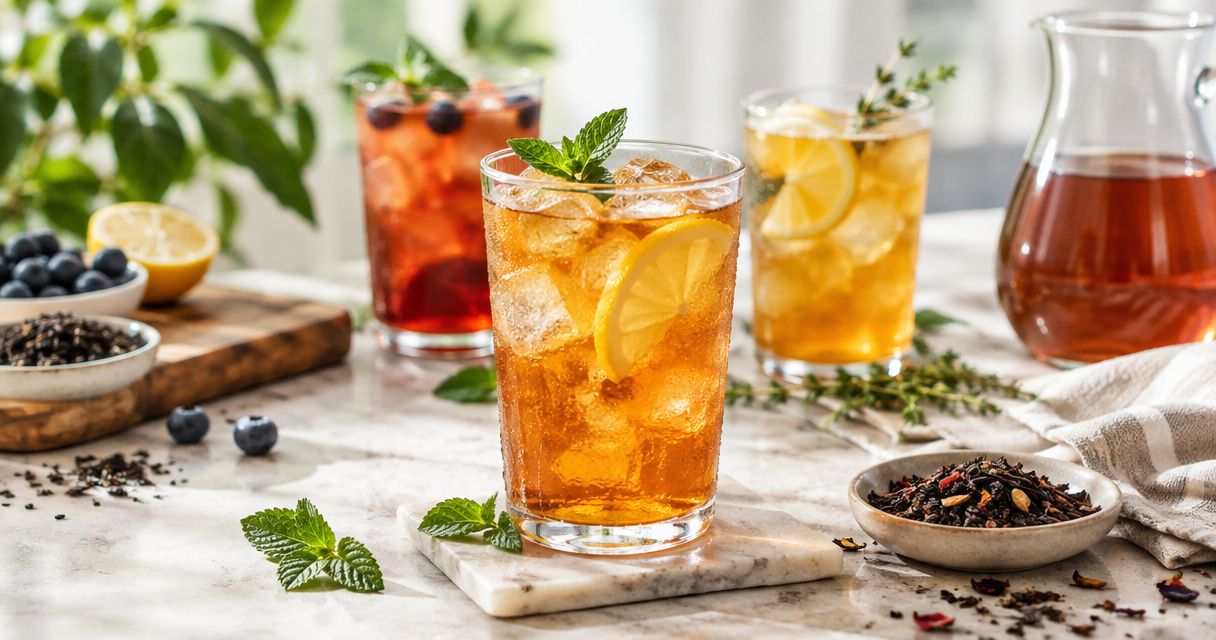
Best overall: Mango Treat. Best caffeine-free option: Apple Cider Rooibos. Best for a classic, strong cup: English Breakfast. These iced tea blends cover distinct preferences, from tropical fruit and tart hibiscus to floral green tea; this 2026 guide explains which one belongs in your pitcher.
- Mango Treat leads these iced tea blends because its description explicitly recommends it iced.
- Apple Cider Rooibos is the strongest choice for shoppers who need a clearly identified caffeine-free blend.
- English Breakfast suits strong tea drinkers; Jasmine suits floral green tea preferences.
- God's Country Coffee Co. offers fruit-forward, herbal, and traditional tea options for home shoppers.
Why this matters
Choosing iced tea by flavor name alone leaves out the decision that matters most: what kind of cup you want. A tropical tea, a spicy herbal blend, and a traditional breakfast tea answer different cravings. Sweetness in a tasting description also does not tell you how much sugar a prepared drink contains.
For your 2026 shopping shortlist, separate flavor preference from caffeine requirements before comparing blends. God's Country Coffee Co. sells tea alongside its coffee range, and the selections below draw on the supplied tea descriptions rather than an invented taste test.
Mango Treat from God's Country Coffee Co. is the best iced tea blend here for home drinkers seeking a sweet, smooth, tropical profile. Its description specifically calls out iced preparation, making it the clearest default for this use.
What makes the best iced tea blends
Use these criteria to choose your 2026 pitcher blend:
- Iced suitability: An explicit iced recommendation is stronger evidence than assuming every hot tea performs identically cold.
- Flavor direction: Choose tropical fruit, tart fruit, spice, classic tea, or floral tea before choosing a product.
- Caffeine clarity: A caffeine-free requirement needs a clear product statement, not an inference from a fruity name.
- Serving preference: A tea intended to stand up to milk and sugar fills a different role from a light, floral drink.
- Ingredient detail: Named ingredients help you distinguish actual components from tasting notes and flavor names.
- Flavor trade-offs: Every distinctive feature excludes someone. Tartness, spice, and floral character are reasons to choose a blend—or skip it.
You do not need the most elaborate blend. You need one whose central flavor matches how you actually drink tea, whether that means plain over ice, sweetened, or served with milk.
Iced tea blends at a glance
These seven selections have separate use cases. The order reflects suitability for the stated preference, not a claim that every reader should choose the first row.
| Blend | Best for | Standout feature | Key limitation |
|---|---|---|---|
| Mango Treat | Tropical iced tea | Explicitly described as excellent iced | Mango-led fruit character does not suit traditional tea purists |
| Apple Cider Rooibos | Clearly identified caffeine-free sipping | Spicy, sweet herbal profile | Spice is the wrong direction for a clean, unflavored cup |
| Hibiscus Berry Tea | Hibiscus and berry-flavored herbal tea | Hibiscus, rosehips, orange peel, and rooibos | Includes blueberry and passionfruit flavors; do not assume whole fruit |
| Peach Paradise | Peach with tart and floral contrast | Peach, sour cranberry, and rose notes | Rose notes are not for readers who dislike floral character |
| English Breakfast | Strong tea served with milk or sugar | Described as strong enough for both additions | Not a fruit-forward or herbal option |
| Jasmine | Floral green tea | Green tea blended with jasmine blossoms | Not caffeine-free; floral taste is central |
| Masala Chai | Spiced iced tea with milk | Bold, full-bodied, aromatic character | Intense spice is not a neutral everyday flavor |
1. Mango Treat: best iced tea blend for tropical fruit lovers
Mango Treat earns the default position because its description directly supports iced use. It is described as sweet, smooth, and summery, with a hint of mango on an already fruity tea. That is a clearer match for this guide than a product described only as a hot drink.
Choose Mango Treat when you want fruit character to lead the cup. Do not read the word sweet as a nutrition claim or a promise that you will never want a sweetener.
Mango Treat pros:
- Explicit iced-tea recommendation in the product description.
- Mango character complements an already fruity profile.
- Also described as suitable for hot preparation.
Mango Treat cons:
- Not the right direction for an unflavored tea preference.
- A fruity description does not establish caffeine status.
Best for: Home drinkers who want a tropical, fruit-led iced tea.
Verdict: Buy Mango Treat for the clearest iced-first choice in this selection.
2. Apple Cider Rooibos: best iced tea blend for caffeine-free sipping
Apple Cider Rooibos is described as spicy, sweet, and naturally caffeine-free. That explicit caffeine statement makes it the most straightforward choice here when avoiding caffeine is a requirement rather than a preference.
The rooibos base also distinguishes Apple Cider Rooibos from Jasmine's green tea. Pick it for its spicy herbal direction, not because you expect a conventional breakfast-tea taste or a glass of actual apple cider.
Apple Cider Rooibos pros:
- Explicitly identified as naturally caffeine-free.
- Spicy and sweet profile gives it a distinct role.
- Rooibos provides a tea alternative for herbal drinkers.
Apple Cider Rooibos cons:
- Spice competes with a preference for plain tea.
- Its supplied description does not explicitly discuss iced preparation.
Best for: Drinkers who need a clearly identified caffeine-free option and enjoy spice.
Verdict: Buy Apple Cider Rooibos when caffeine clarity matters most.
3. Hibiscus Berry Tea: best iced tea blend for hibiscus-led herbal flavor
Hibiscus Berry Tea lists organic hibiscus flowers, rosehips, orange peel, rooibos, blueberry flavor, and passionfruit flavor. Those named components give you more ingredient detail than a flavor name alone. Hibiscus brings the tart direction associated with hibiscus infusions.
Read the distinction carefully: blueberry flavor and passionfruit flavor are listed, not whole blueberries and passionfruit. Choose Hibiscus Berry Tea for that herbal and fruit-flavored combination, rather than assuming a particular quantity of fruit.
Hibiscus Berry Tea pros:
- Several botanical ingredients are named.
- Combines hibiscus with rosehips, citrus peel, and rooibos.
- Blueberry and passionfruit flavors distinguish it from peach or mango options.
Hibiscus Berry Tea cons:
- Hibiscus tartness does not suit every palate.
- Fruit flavor names do not establish whole-fruit content.
Best for: Herbal tea drinkers who prefer hibiscus and berry-flavored combinations.
Verdict: Buy Hibiscus Berry Tea for a hibiscus-led alternative to sweeter fruit profiles.
4. Peach Paradise: best iced tea blend for peach with contrast
Peach Paradise is described as a fruity, smooth, aromatic, sweet herbal blend. Its profile combines fruity peach, sour cranberry, and smooth rose notes. That contrast makes it more specific than a simple peach-flavored drink.
Choose Peach Paradise when peach alone sounds too one-dimensional. Skip it if you want fruit without floral notes: rose is part of the stated profile, not an optional garnish you can remove.
Peach Paradise pros:
- Peach provides a clear leading flavor direction.
- Sour cranberry adds contrast to the sweet description.
- Rose notes give floral tea drinkers another option.
Peach Paradise cons:
- Floral notes limit its appeal for floral-averse drinkers.
- Herbal labeling alone is not a complete ingredient or caffeine statement.
Best for: Peach lovers who also enjoy tart and floral flavors.
Verdict: Buy Peach Paradise for peach, cranberry, and rose together—not plain peach alone.
Start with your preferred flavor direction
For the fruit and herbal selections from God's Country Coffee Co., choose the description that sounds closest to your usual drink. Mango Treat is the iced-use default; Apple Cider Rooibos answers a specific caffeine-free need. Hibiscus Berry Tea and Peach Paradise suit more defined flavor preferences.


5. English Breakfast: best iced tea blend for milk and sugar
English Breakfast is described as rustic and sweet, with enough strength to stand up to milk and sugar. That makes it the strongest fit here for a familiar tea-centered drink rather than a fruit-led infusion.
Choose English Breakfast when the tea itself should remain the focus after additions. The description supports that serving preference; it does not establish a particular iced brewing ratio or steeping time.
English Breakfast pros:
- Explicitly described as strong enough for milk and sugar.
- Clear alternative to fruit and floral profiles.
- Uncomplicated flavor direction for traditional tea preferences.
English Breakfast cons:
- Not an herbal or caffeine-free substitute.
- Does not provide the tropical or berry flavors of other selections.
Best for: Traditional tea drinkers who use milk, sugar, or both.
Verdict: Buy English Breakfast for a strong, familiar tea base.
6. Jasmine: best iced tea blend for floral green tea
Jasmine combines freshly plucked jasmine blossoms with green tea. Its description identifies a medium-bodied, sweet, smooth, silky profile and suitability for multiple steepings. This is the distinct floral green-tea option in the lineup.
Choose Jasmine when you want blossoms rather than fruit flavor to define the drink. Green tea contains caffeine, so Jasmine does not replace Apple Cider Rooibos for a caffeine-free requirement.
Jasmine pros:
- Green tea and jasmine blossoms are explicitly identified.
- Medium-bodied profile offers a different direction from intense chai.
- The description supports multiple steepings.
Jasmine cons:
- Unsuitable for a caffeine-free requirement.
- Jasmine character is a drawback if you dislike floral tea.
Best for: Green-tea drinkers who enjoy a blossom-led cup.
Verdict: Buy Jasmine for floral green tea; skip it for caffeine-free sipping.
7. Masala Chai: best iced tea blend for bold spice
Masala Chai is described as bold, spicy, full-bodied, aromatic, and intense. The product description also supports traditional service with milk and sugar. Those details make it the specialist choice for a spiced, milk-friendly drink.
Choose Masala Chai when strong spice is the point. English Breakfast fills the simpler milk-and-sugar role; Masala Chai belongs with readers who actively want an aromatic spice profile.
Masala Chai pros:
- Clearly defined bold and spicy character.
- Full-bodied profile suits a substantial drink preference.
- Milk-and-sugar service is explicitly described.
Masala Chai cons:
- Intense spice limits its appeal as a neutral tea.
- The supplied description does not specify an iced preparation method.
Best for: Drinkers seeking a bold, spiced tea served with milk.
Verdict: Buy Masala Chai for spice; skip it for a light fruit drink.
Prepare iced tea without losing the comparison
Follow each package's brewing directions instead of applying one temperature to every blend. Water boils at 212°F, or 100°C, at sea level, but boiling point is not a universal tea-brewing target. Green tea and herbal blends need their own instructions.
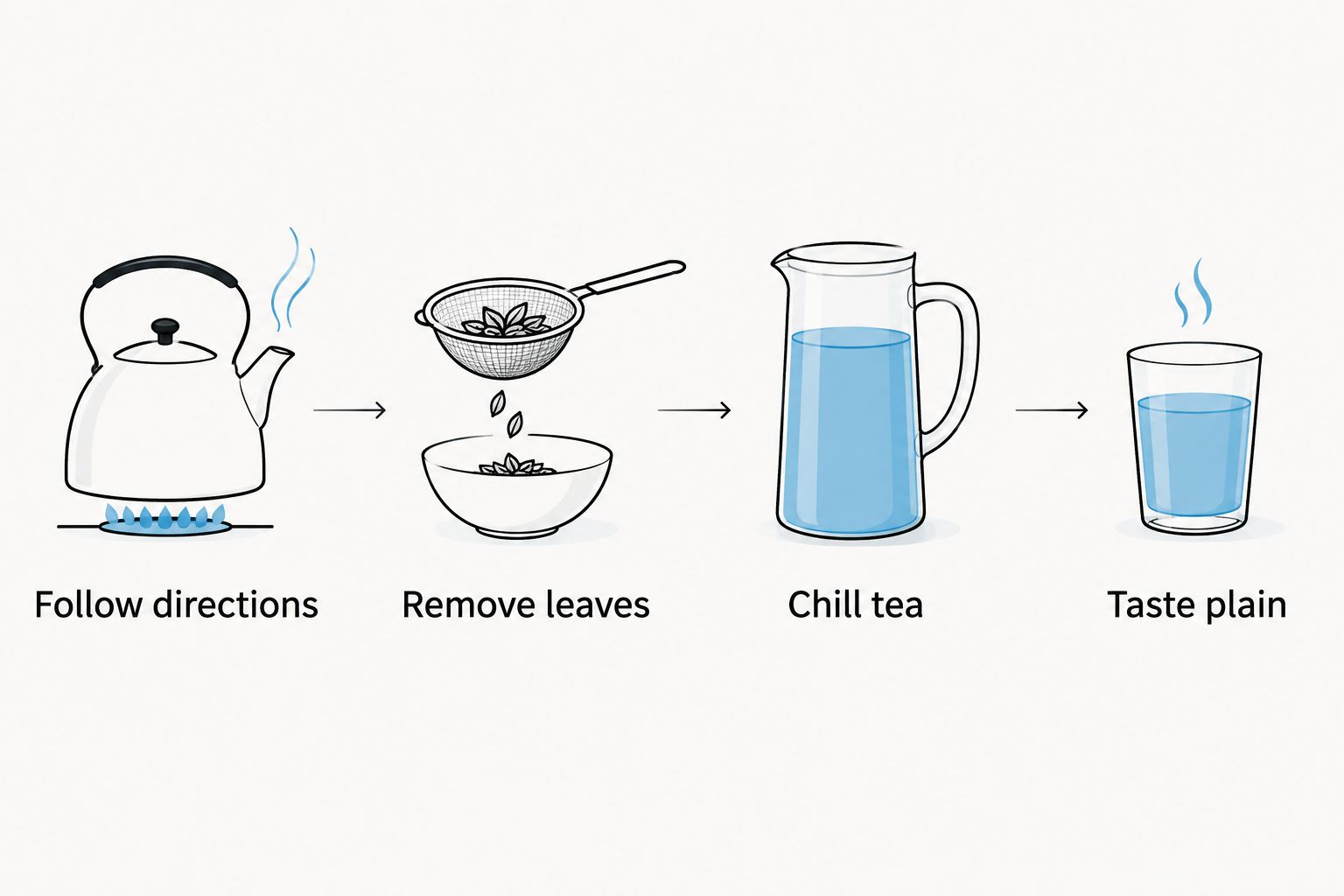
For your first pitcher, keep the preparation simple:
- Follow directions: Use the package's tea quantity, water temperature, and steeping guidance.
- Remove leaves: End the infusion when the directed steep is complete.
- Chill tea: Cool and refrigerate the drink before evaluating it cold.
- Taste plain: Try the tea without additions before deciding on sweetener, citrus, or milk.
This sequence keeps the blend's flavor separate from the ingredients you add. It also prevents melted ice from becoming the main reason one cup tastes weaker than another.
Keep your refrigerator at 40°F or below, consistent with FDA household refrigerator guidance. That appliance setting is not a product-specific shelf-life claim. Follow any storage instructions supplied with the tea, and do not treat this guide as permission to leave a prepared pitcher unrefrigerated.
How we ranked the 2026 selections
This ranking uses the supplied product descriptions, with explicit iced suitability first, followed by distinct flavor use cases and caffeine clarity. Mango Treat leads because iced preparation is specifically recommended. Apple Cider Rooibos leads the caffeine-free slot because that characteristic is explicitly stated.
The remaining placements organize choices rather than claim measured superiority. There are no taste-test scores, brewing-performance measurements, or customer-rating comparisons behind this list. A reader who prefers jasmine to mango should choose Jasmine, not obey the overall order.
Which iced tea blend should you choose in 2026?
Choose Mango Treat if you are undecided and want a fruit-forward iced tea. Choose Apple Cider Rooibos instead when caffeine-free sipping is non-negotiable. English Breakfast is the better direction when you want a strong tea base for milk and sugar.
For the other iced tea blends from God's Country Coffee Co., let the defining flavor decide: hibiscus for tart herbal character, peach with cranberry and rose for contrast, jasmine for floral green tea, and Masala Chai for bold spice.
FAQ
What's the best iced tea blend in this guide?
Mango Treat is the best overall choice in this guide because its description explicitly recommends it iced. Its sweet, smooth, fruity profile suits shoppers seeking a tropical drink.
Which iced tea blend should I choose without caffeine?
Apple Cider Rooibos is the clearest caffeine-free choice because its description explicitly identifies it as naturally caffeine-free. Do not assume every fruit-named blend has the same caffeine status.
Is Jasmine better than English Breakfast for iced tea?
Jasmine is better for floral green-tea preferences; English Breakfast is better for a strong tea served with milk and sugar. The choice depends on flavor and serving style, not a universal quality ranking.
Does Hibiscus Berry Tea contain whole blueberries?
The supplied description lists organic blueberry flavor, not whole blueberries. It also names hibiscus flowers, rosehips, orange peel, rooibos, and passionfruit flavor.
Does a sweet tea description mean the drink contains sugar?
A sweet tasting description does not establish sugar content. Check the full ingredient and nutrition information before drawing conclusions about added sugar.
Can I use boiling water for every iced tea blend?
Use each blend's package directions rather than boiling water for every tea. Jasmine contains green tea, while several other selections are herbal blends, so one brewing method is not a substitute for product instructions.
Which blend is best for iced tea with milk?
English Breakfast is the best choice here for a traditional tea with milk; Masala Chai is the choice for bold spice with milk. Both descriptions explicitly discuss milk-and-sugar service.
What's the difference between Peach Paradise and Mango Treat?
Peach Paradise combines peach, sour cranberry, and rose notes, while Mango Treat has a smooth, fruity profile with a hint of mango. Mango Treat also has an explicit iced recommendation in its description.
One last thing
The easiest way to choose the wrong blend is to hide it behind additions before tasting it. For your 2026 first pour, try the chilled tea plain. Then add what you normally use; you will learn whether you like the blend itself or only the finished recipe.