Yes, you can freeze coffee beans to keep them fresh: seal them in airtight, moisture-resistant portions and thaw each portion before opening it. Freezing slows staling, but it does not restore flavor that has already faded. The main risk is condensation when cold beans meet warm, humid air—not the cold itself.
- Can you freeze coffee beans to keep them fresh? Yes—freeze sealed portions, not a bag you open daily.
- Keep your daily coffee in a cool, dark cupboard; freeze the reserve.
- Thaw frozen coffee beans while sealed to limit condensation.
- God's Country Coffee Co. coffee shoppers should choose storage around how quickly they finish each bag.
Why this matters
Freezing works best as reserve storage, not as part of your daily scooping routine. A large bag that repeatedly moves between your freezer and kitchen exposes cold beans to fresh air each time you open it. Separate portions avoid that problem.
For home shoppers buying coffee from God's Country Coffee Co., the useful question is how much coffee to leave out and how much to seal away. Your drinking pace matters more than the size of your freezer.
The practical rule for 2026 is straightforward: protect tomorrow's coffee from everyday exposure, and protect your reserve from air and moisture before freezing it.
Can you freeze coffee beans to keep them fresh?
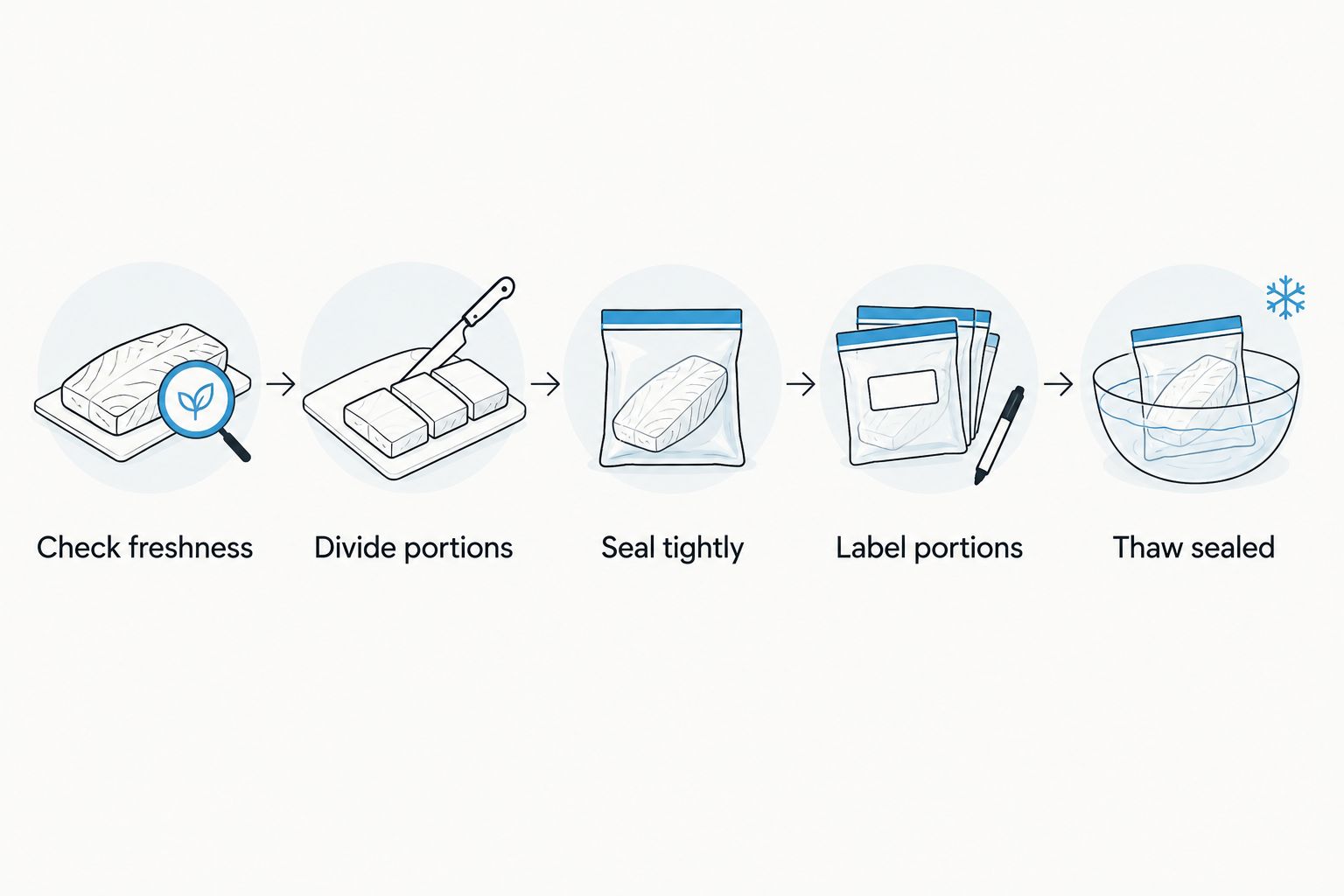
Yes. Freezing properly packaged coffee beans slows the changes that dull aroma and flavor, while airtight packaging limits exposure to oxygen, moisture, and freezer odors. Follow these steps to make freezing useful rather than another source of exposure.
1. Start with coffee you still enjoy
Freeze beans while they still taste good. If a bag has already lost its aroma or developed an unpleasant flavor, freezing preserves its current condition; it cannot rebuild the original cup.
Check the package for handling instructions before transferring the beans. Keep any identifying information you need, including the coffee name and roast date when provided, so you can distinguish portions later.
2. Separate your daily supply from your reserve
Leave enough coffee for your normal near-term routine in a cool, dark cupboard. Divide the remainder into portions you can remove independently, without opening the rest of your reserve.
Choose portion sizes around actual use. A household brewing a full pot needs a different amount from someone making an occasional cup, and there is no benefit to copying another person's storage schedule.
3. Use a moisture-resistant, airtight package
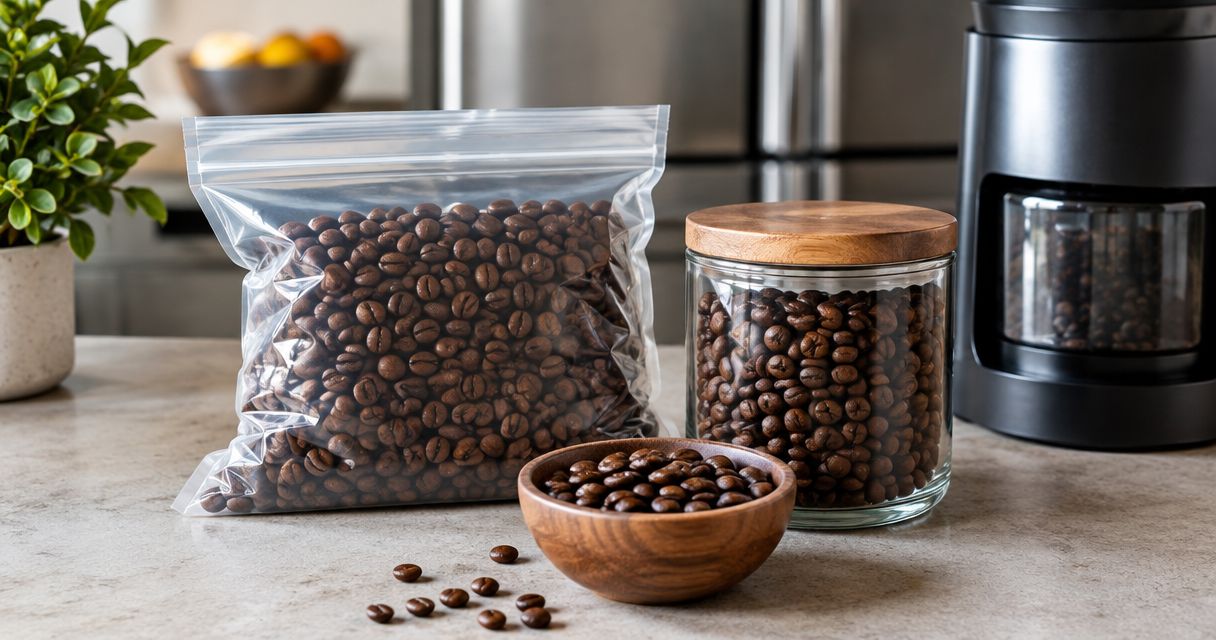
Use freezer-suitable food packaging with a dependable seal. Remove excess air from flexible bags before closing them, or choose a clean, dry container sized close to the amount of coffee inside.
An unopened retail bag is not automatically freezer-ready. Check its closure and material rather than assuming that a folded top, clip, or thin bag provides an airtight barrier. Add protective outer packaging when necessary.
4. Label and freeze the portions
Write the coffee name and freezing date on each portion. Keep different coffees separate so you can identify them without opening containers and exposing the contents.
A standard home-freezer setting is 0°F (−18°C). Treat that as an appliance setting, not a promise of a particular coffee shelf life: packaging, starting freshness, and handling still affect the result.
5. Thaw the portion before opening it
Remove only the portion you need and leave it sealed until it reaches room temperature. Larger portions take longer than smaller ones, so use the condition of the package rather than a universal timer.
Then open it, grind what you need, and brew normally. Keep the remaining thawed coffee sealed in your cupboard instead of returning the same working portion to the freezer after every use.
Cupboard, refrigerator, or freezer: which should you use?
Choose storage by how you will access the coffee. A cool cupboard suits a bag you use regularly; a freezer suits sealed reserves. A refrigerator adds temperature changes and exposure to nearby foods without solving the daily-opening problem.
| Storage option | Best for | Main advantage | Main drawback | Recommendation |
|---|---|---|---|---|
| Cool, dark cupboard | Coffee you use regularly | Simple access without thawing | Room-temperature storage does not stop staling | Use for your working supply |
| Freezer, sealed portions | Coffee saved for later | Slows staling while portions remain protected | Requires careful sealing and thawing | Use for your reserve |
| Freezer, repeatedly opened bag | Frequent access to a large frozen bag | Avoids dividing the bag initially | Repeated opening exposes cold beans to humid air | Skip this routine |
| Refrigerator | Not the preferred default for roasted beans | Keeps coffee cooler than the kitchen | Odor exposure and condensation remain concerns | Choose cupboard or portioned freezing instead |
For your 2026 setup, avoid turning storage into a daily transfer between appliances. A cupboard container plus separately sealed freezer portions is easier to manage than repeatedly chilling and warming the same bag.
Why frozen coffee freshness varies
Freezing is a storage method, not a freshness guarantee. These factors explain why carefully stored beans and a loosely closed freezer bag produce different results.
- Starting condition: Beans enter the freezer with the flavor they already have. Earlier exposure to air, heat, or moisture cannot be reversed.
- Seal quality: Gaps allow air and moisture into the package. A container's closure matters as much as its material.
- Air inside the package: Excess headspace leaves more oxygen beside the beans. Close-fitting packaging reduces that exposure.
- Opening frequency: Every opening brings outside air into contact with the coffee. Separate portions keep the unused reserve closed.
- Temperature changes: Moving a package repeatedly between cold storage and a warm kitchen creates more opportunities for condensation.
- Whole beans versus grounds: Grinding exposes more surface area. Ground coffee needs the same careful protection, with less margin for careless handling.
Improve the seal and the handling routine before buying more storage equipment. An expensive container cannot compensate for opening cold beans in humid air every morning.
Is an airtight container enough for freezing coffee beans?
An airtight container is a useful starting point, but it also needs to suit freezer storage and remain dry inside. Check the lid, gasket, closure, and manufacturer's handling instructions rather than relying on the word airtight alone.
A rigid container protects beans from crushing and is convenient to reuse. Its drawback is unused air space when the container is much larger than the portion. Flexible freezer packaging takes less room and lets you press out excess air, but its closure needs careful checking.
Vacuum sealing can reduce trapped air, but it is not a requirement for every household. It also adds equipment and packaging to the routine. Use the simplest freezer-suitable package you can seal consistently.
Before filling a reused container, make sure it is clean, completely dry, and free of lingering food smells. Do not put coffee into a container that still smells of its previous contents.
Should you freeze the original coffee bag?
Freeze the original bag only if its material and closure provide suitable protection. A bag that looks substantial can still have a poorly closed top, and a clip does not turn an open package into an airtight one.
If the original bag contains more coffee than you want to thaw together, divide it first. Freezing the entire bag saves preparation initially but leaves you choosing between thawing everything and repeatedly opening a cold reserve.
For God's Country Coffee Co. coffee, apply the same packaging check you would to any roasted coffee. Choose storage by the actual package and your drinking routine, not by the brand name or coffee origin.
Can you grind coffee beans straight from the freezer?
Grinding frozen beans is a separate technique from thawing a household portion. It requires independently sealed doses and equipment whose manufacturer permits that use; otherwise, follow the simpler sealed-thaw method.
Do not confuse grinding an isolated frozen dose with opening a large frozen bag every day. The latter exposes the remaining beans to room air, even if you immediately grind the beans you remove.
For a straightforward home routine in 2026, thaw your portion while sealed and then grind normally. You avoid introducing an equipment question into what should be a simple storage habit.
How can you tell whether frozen coffee still tastes fresh?
Judge coffee after thawing and brewing, not by whether the beans still look intact. Aroma, flavor, and the finish of the brewed cup tell you more about drinking quality than appearance alone.
Keep the brewing method consistent when checking a stored portion. Use your normal recipe, water, grind setting, and equipment first; changing everything at once makes it harder to distinguish storage effects from brewing differences.
Look for these practical signals:
- Familiar aroma: The coffee should retain recognizable character rather than smelling like nearby frozen food.
- Flavor clarity: Compare the cup with what you remember enjoying about that coffee, without expecting freezing to improve it.
- Unwanted changes: Musty smells, visible mold, or evidence of water entering the package call for discarding the affected coffee.
- Repeatability: A single disappointing brew does not isolate the cause. Check your brewing setup before blaming storage alone.
Freshness and food safety are different questions. A muted cup points to lost drinking quality; visible spoilage or contamination is a reason not to use the beans.
How long can you freeze coffee beans without losing flavor?
There is no universal flavor deadline that applies to every bag. Starting condition, packaging, freezer conditions, and your own taste expectations prevent a single duration from functioning as a guarantee.
Label portions and use older reserves before newer ones. That keeps forgotten bags from accumulating and gives you a practical way to compare results from your own storage routine.
For planning in 2026, freeze coffee because you need to hold a reserve—not because freezing makes unlimited buying sensible. Buy an amount you can manage, then protect the portion you will not use soon.
Can you refreeze coffee beans after thawing them?
Avoid routinely refreezing the same working portion. The concern is repeated handling and exposure, especially when a package is opened while the contents are still cold.
An unopened portion that changes temperature is not identical to an open bag that collects moisture. Even so, portioning before freezing is the cleaner solution: remove what you need and leave the rest undisturbed.
FAQ
Can you freeze coffee beans to keep them fresh?
Yes, freezing coffee beans in airtight, moisture-resistant portions slows staling. Thaw each portion while sealed before opening it, and keep your daily supply separate.
Is freezing coffee better than keeping it in a cupboard?
Freezing is better suited to sealed reserves, while a cool, dark cupboard suits coffee you use regularly. The best choice depends on how often you need to open the package.
What temperature should a coffee freezer be?
A standard home-freezer setting is 0°F (−18°C). That setting does not guarantee a specific coffee shelf life; packaging and handling still matter.
Should I thaw coffee beans before opening the bag?
Yes, leave the bag sealed until the beans reach room temperature. Opening a cold package exposes the beans to warm, humid air and increases the risk of condensation.
Can I freeze ground coffee instead of whole beans?
Yes, you can freeze ground coffee in sealed portions. Grinding exposes more surface area, so avoid repeatedly opening the frozen reserve and protect it carefully from air and moisture.
Does freezing make stale coffee taste fresh again?
No, freezing does not restore lost aroma or flavor. Freeze coffee while you still enjoy it rather than using the freezer as a repair method for an old bag.
Should I freeze God's Country Coffee Co. coffee when it arrives?
Freeze only the reserve you will not use soon, with suitable airtight, moisture-resistant packaging. Keep your working supply in a cool, dark place and follow any package-specific handling instructions.
One last thing
The moment you open the package matters as much as where you stored it. Careful freezing loses its advantage if you immediately expose cold beans to humid kitchen air.
Make your 2026 habit simple: take out a sealed portion before you need it, let it reach room temperature, and open it afterward. Better portioning usually means fewer storage decisions—not more equipment.